Home › Insure a Succession of Bloom › Insure a Succession of Bloom: Marigold
Insure a Succession of Bloom: Marigold
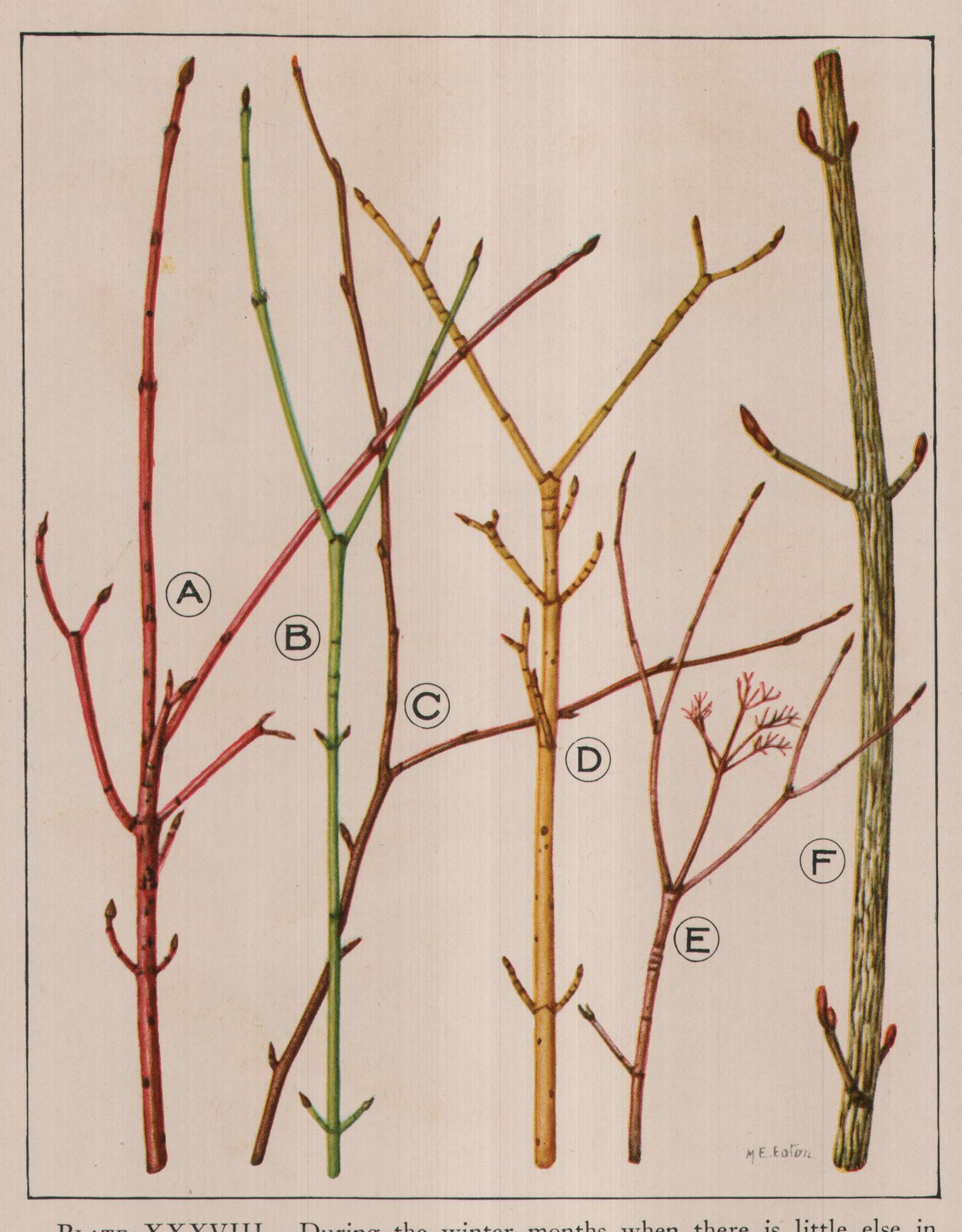
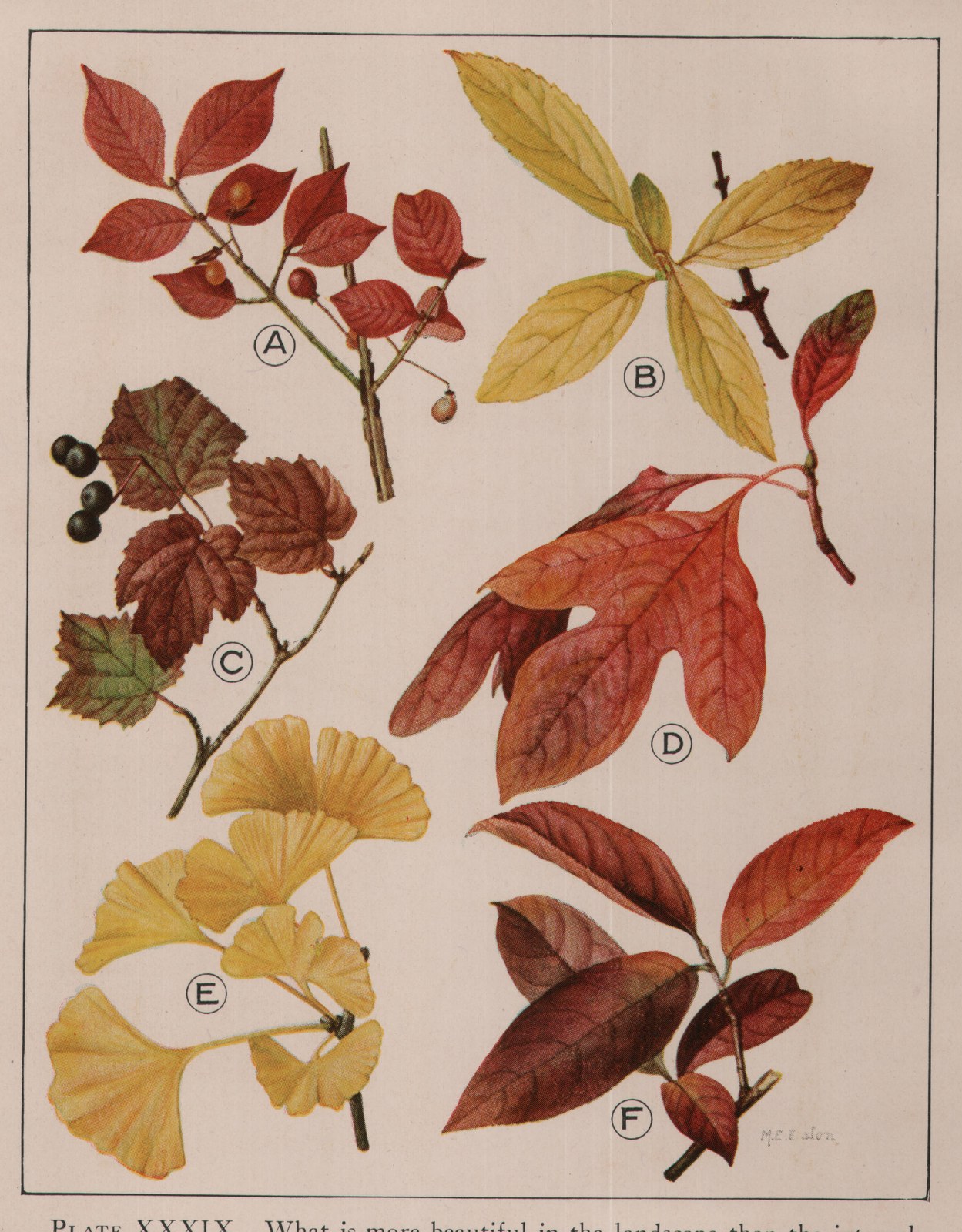
Low-growing sorts, growing twelve to twenty-four inches: Antirrhinum majus nanum (in variety) Half-dwarf Snapdragon Calendula officinalis (in variety) Pot Marigold Callistephus chinensis King type Quilled China Aster Callistephus chinensis Queen of the Market Early Half-dwarf China Aster Centaurea cyanus Old-fashioned Cornflower Clarkia pulchella Clustered-flowered Clarkia Dianthus barbatus Sweet William Dimorphotheca aurantiaca Orange Daisy Eschscholtzia californica California Poppy Gaillardia pulchella picta Blanket Flower Hunnemannia fumariaefolia Matthiola incana annua Ten-week Stock Petunia hybrida (in variety) Petunia Phlox drummondi (in variety) Drummond's Phlox Salpiglossis sinuata (in variety) Painted Tongue Tagetes erecta African Marigold Mexican Poppy Matthiola incana Common Stock Tagetes patula French Marigold Verbena hybrida Verbena Zinnia elegans Zinnia b. Taller sorts, growing twenty-four to thirty-six inches: Antirrhinum majus (in variety) Snapdragon Callistephus chinensis Cregos Giant Chrysanthemum-flowered China Aster Callistephus chinensis Late-branching Late-flowering China Aster Celosia argentea Plumed Celosia Clarkia elegans Broad-leaved Clarkia Delphinium ajacis Double Stock-flowering Annual Larkspur Heliotropium regale Garden Heliotrope Matthiola Mammoth Beauty of Nice Brompton Stocks Tagetes erecta Lemon Queen Tall Double African Marigold Tagetes erecta Orange Prince Tall Double African Marigold Zinnia elegans robusta Tall Zinnia A B 业 C D E F M.E.EaΓση M PLATE XXXVIII. During the winter months when there is little else in the shrub border to attract attention, the vivid colours of the twigs of many of our shrubs present interesting spots of colour against the background of evergreens or snow. (A) red-twigged dogwood; (B) green-stemmed dogwood; (C) red birch; (D) golden-twigged osier; (E) gray dogwood; (F) striped maple. (See page 169, group XXI) E A B C D F MEe alon PLATE XXXIX. What is more beautiful in the landscape than the intensely brilliant colours of the autumn foliage of many of our trees and shrubs? More plants should be used for the value of their autumn foliage effect. (A) burning bush; (B) dark green golden bell; (C) maple-leaved viburnum; (D) sassafras; (E) maidenair tree; (F) sourwood. (See page 173, group XXII)