Home › Kavacha & Son › Kavacha & Son
Kavacha & Son
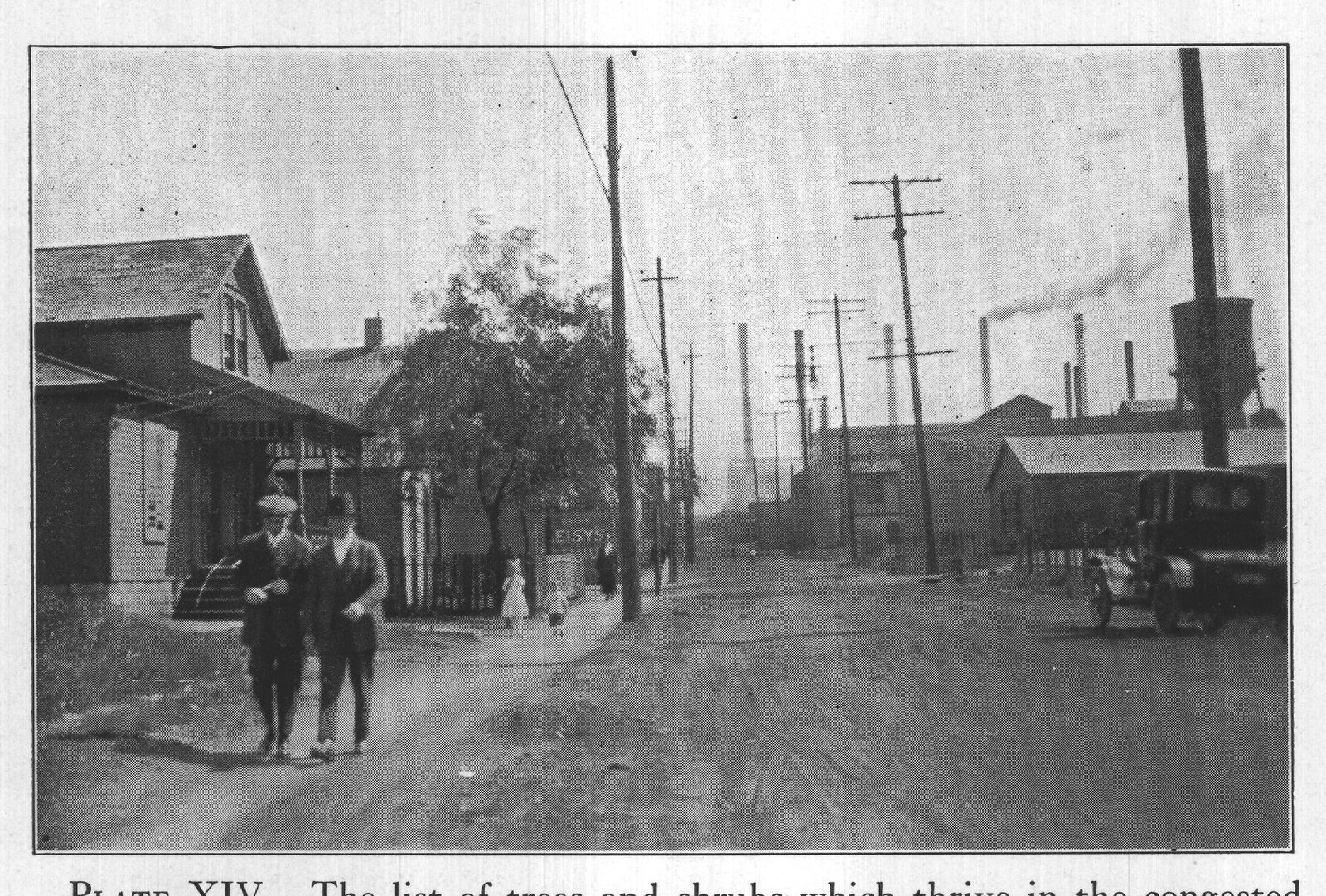
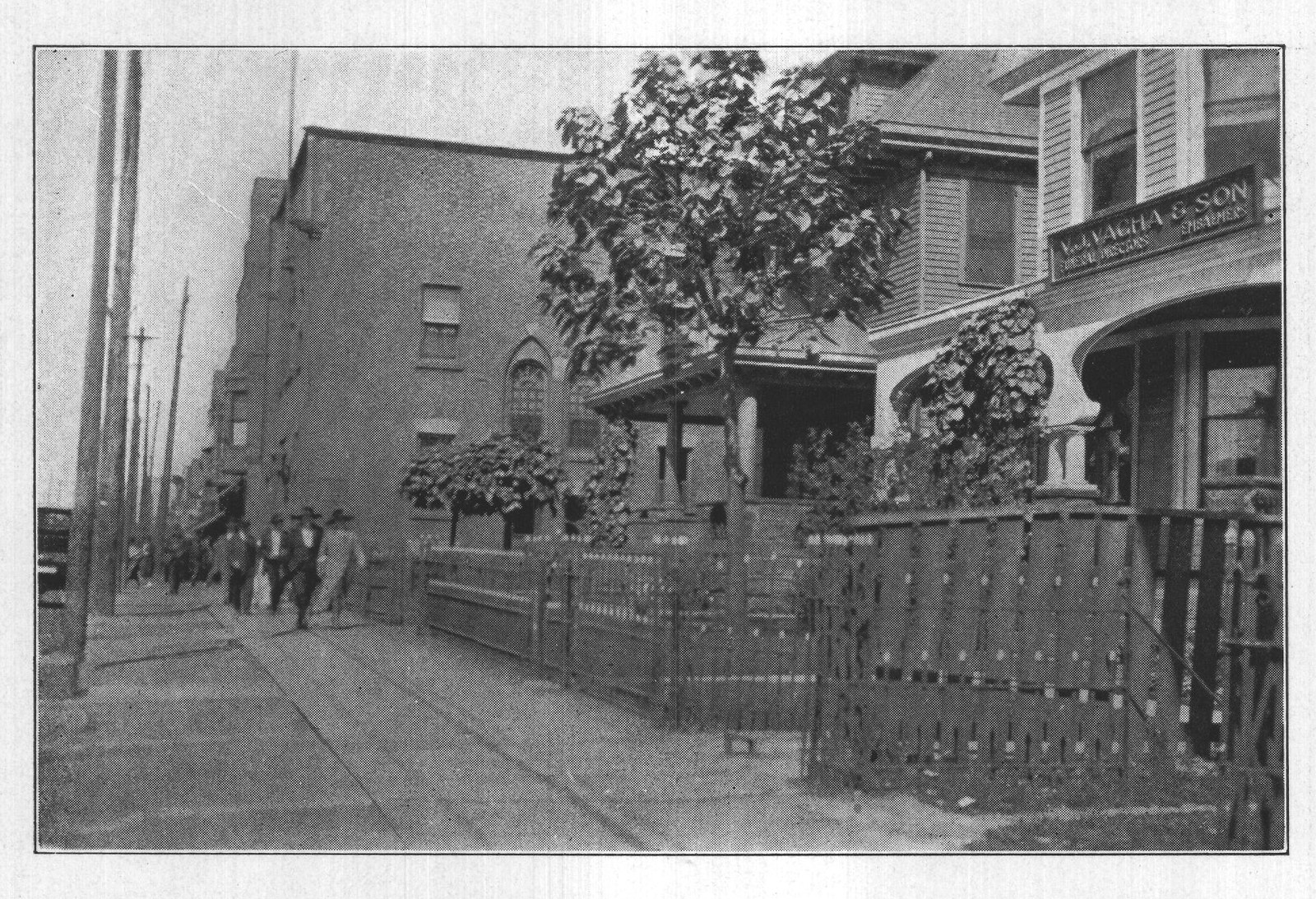
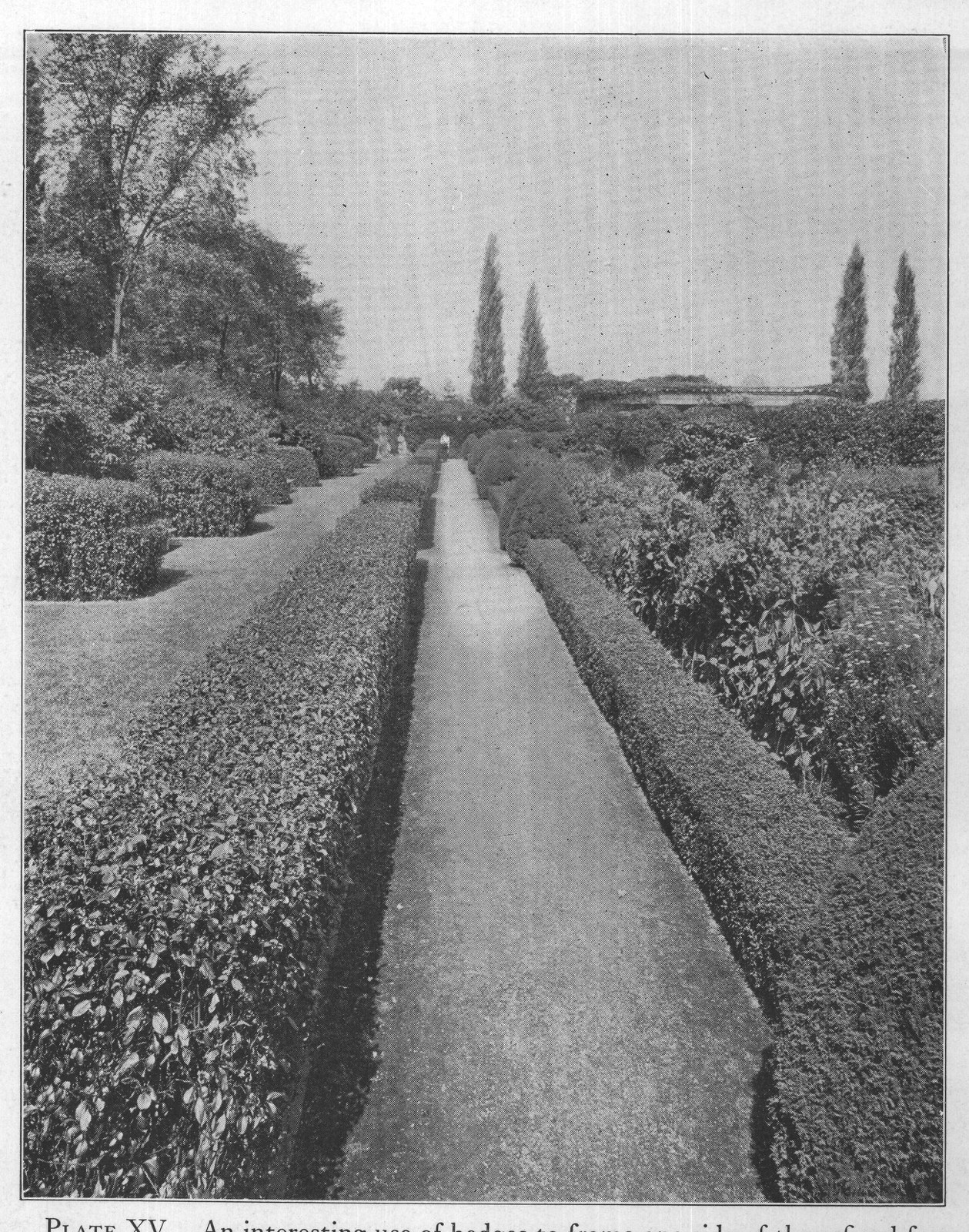
PLATE XIV. The list of trees and shrubs which thrive in the congested city districts where soil conditions are poor and the air is polluted with smoke and dust, is limited to a few kinds, of which the tree-of-heaven, locust and catalpa are typical. (See page 119, group XI-A) PLATE XV. An interesting use of hedges to frame one side of the refined formal garden. Japanese quince on the left side of the walk, Japanese barberry against the right side accented with sheared retinosporas, and buttresses of Japanese quince and Amoor River privet on the extreme left against the vinecovered wall, form the features of this composition. (See page 124) MAINTENANCE WILD GARDEN. Many people labour under the impression that the woodland wild garden demands very little, if any, attention on the maintenance end. The maintenance of a woodland wild garden is a problem, to those who really understand its development and success, of almost as much importance as the maintenance of the more refined formal garden. It matters not what the garden may be, either the woodland wild garden or the refined garden, undesirable weeds and grass will develop if it is not given the necessary attention and cultivation. The wild garden cannot be cultivated as deep or as frequently as the refined flower garden. Not only must the owner ward against the development of weeds but he must watch carefully to be certain that those types of plants which are more vigorous growing or which seem to be best adapted to their particular location do not spread or unnecessarily crowd out certain other desirable plants less vigorous in their habit of growth and less apt to thrive in the competition to which they are subjected. There will be places in the wild garden where soil conditions are not exactly as they should be, and where soil should be renovated or manured and where additional leaf mold soil should be added.
ANNUAL FLOWER GARDEN. Careful and frequent attention must be devoted to the maintenance of annuals during the growing season and especially during the flowering season if the best success is to be obtained with this type of garden. Those annuals like the mid-season and late asters need only normal care. Such plants have but one flowering season and it is rare that any secondary flowers are developed on these plants through intelligent cutting, as is the case especially with the snapdragons and also with calendulas, marigolds, and pansies. The snapdragon perhaps is one of the most valuable flowering annuals for a long period of bloom. It will begin its bloom in late June or early July and will continue to bloom until frost retards its growth. Such plants however, will not produce an abundance of fine flowers if encouraged to persistently produce flowers throughout the entire growing season. The snapdragon will produce the best flowers if given a rest during some part of the summer. For instance, plants which begin flowering in late June or early July should be permitted to flower for four or five weeks. They should then be severely cut back to a height of four inches to six inches and a new growth permitted to develop and produce flowers during late August and September. The one most important duty in the successful growing of annual flowering plants, in order to continue their period of bloom, is to keep all portions of the plant from developing seed pods. Those branches which have produced flowers should be removed as soon as the bloom has ceased. Most of the annuals like the calendulas and marigolds are encouraged to produce more bloom through this process of keeping seed pods removed and the branches severely cut back. Other annuals like the annual larkspur, the matricaria, the annual baby'sbreath, and the bachelor button will not develop a secondary growth, and must therefore be planted in successive sowings to secure a continuous supply of flowers. REFINED FORMAL GARDEN. The refined formal garden is developed through the use of various types of perennials and annuals. The same rules apply to the general maintenance of a garden of this kind that apply to the general maintenance of perennials and annuals. This type of garden however, unlike the other types of gardens, rock garden, wild garden, informal garden, etc., should, if developed, be perfectly maintained. A formal flower garden for its real success depends upon well-defined masses and definite major and minor axis lines. Extreme care should be devoted to the clipping of all hedges and the maintenance of the outlines of the definite masses of plants. All turf borders and walks should be neatly trimmed and carefully edged and little if any of the informal loose effect, so common to the informal garden and to the wild garden, should be permitted. The author attempts to discuss this question together with the question of maintenance pertaining to the other types of gardens in order to make clear that in the selection of the plants in landscape work the item of subsequent maintenance is one of the important factors in the successful development of the formal flower garden to an even greater extent than in other types of gardens.