Home › Expert Opinions › Expert Opinions: Famous Rose-Garden The
Expert Opinions: Famous Rose-Garden The
And now for the Brooklyn Rose-Garden, the plans are well under way, and excellent progress is being made.
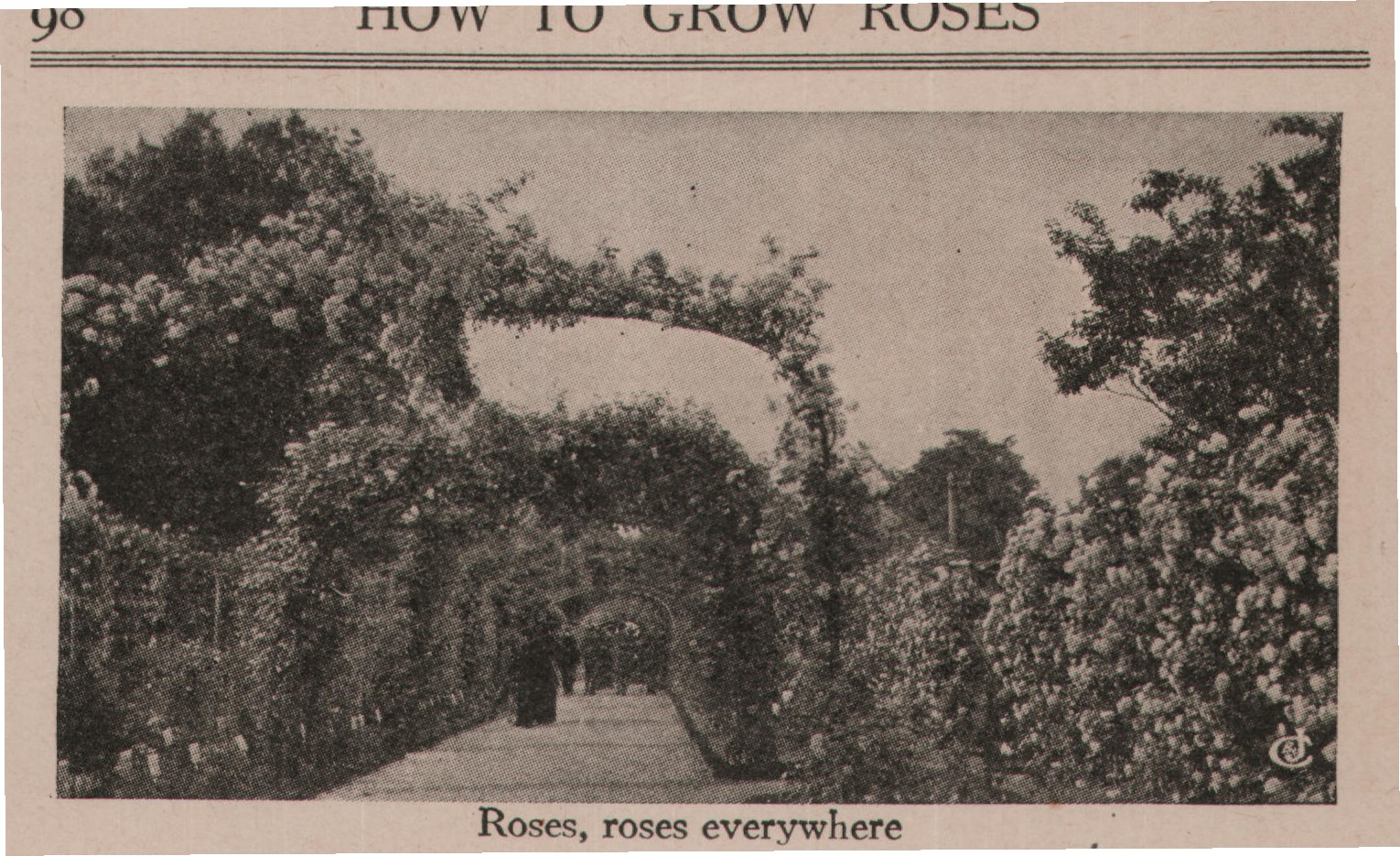
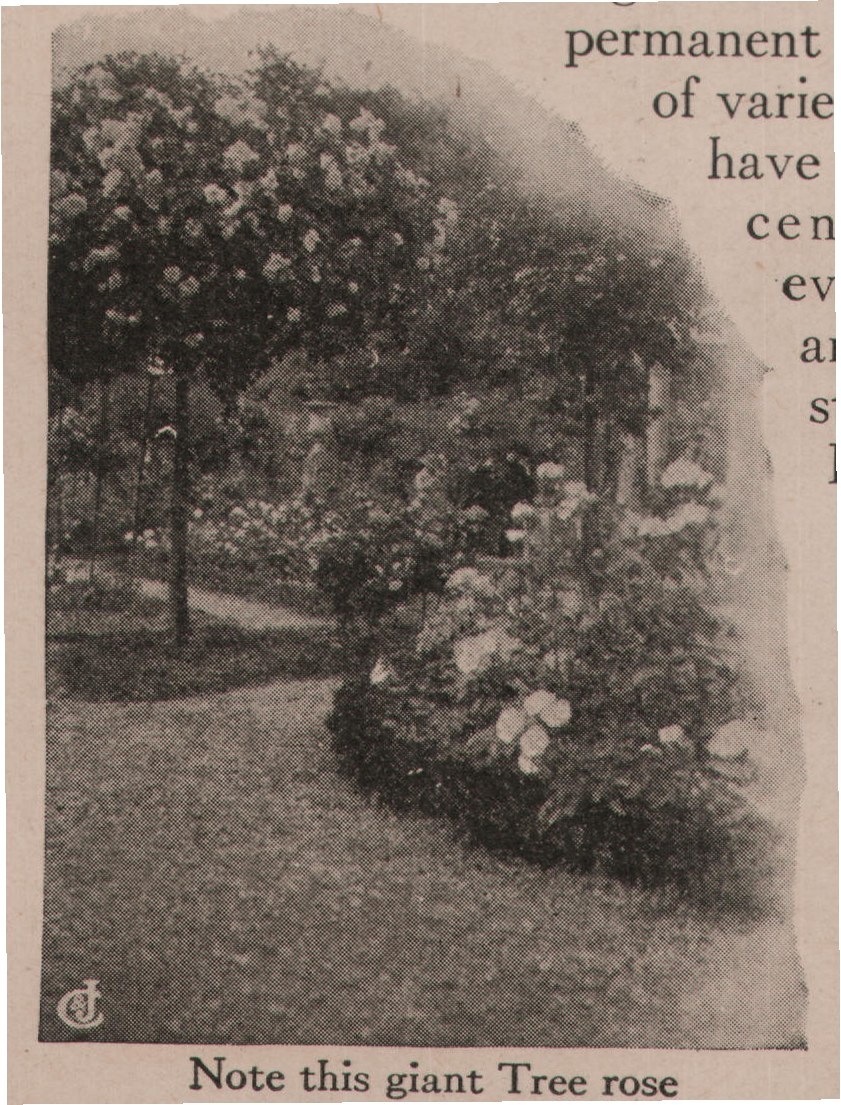
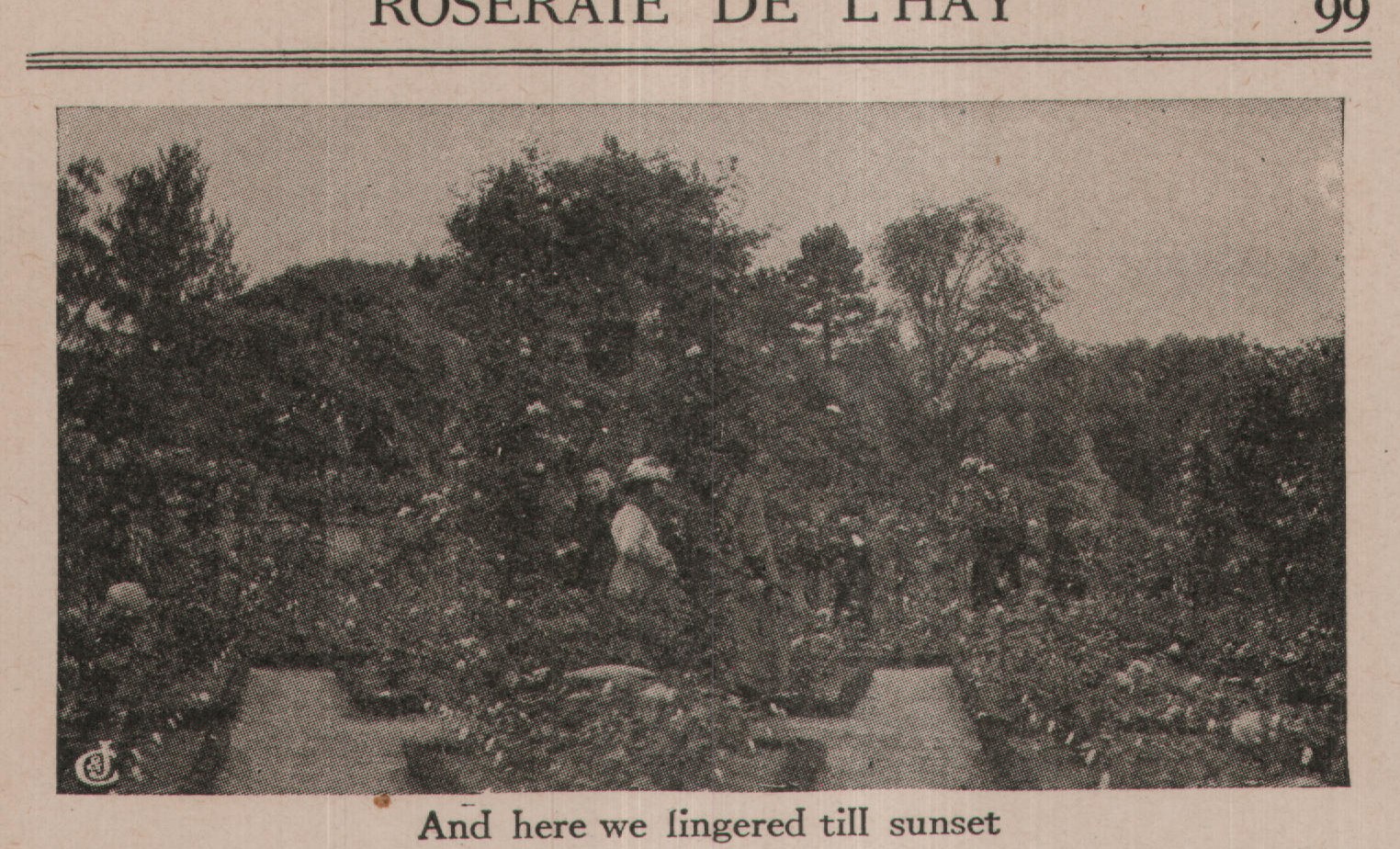
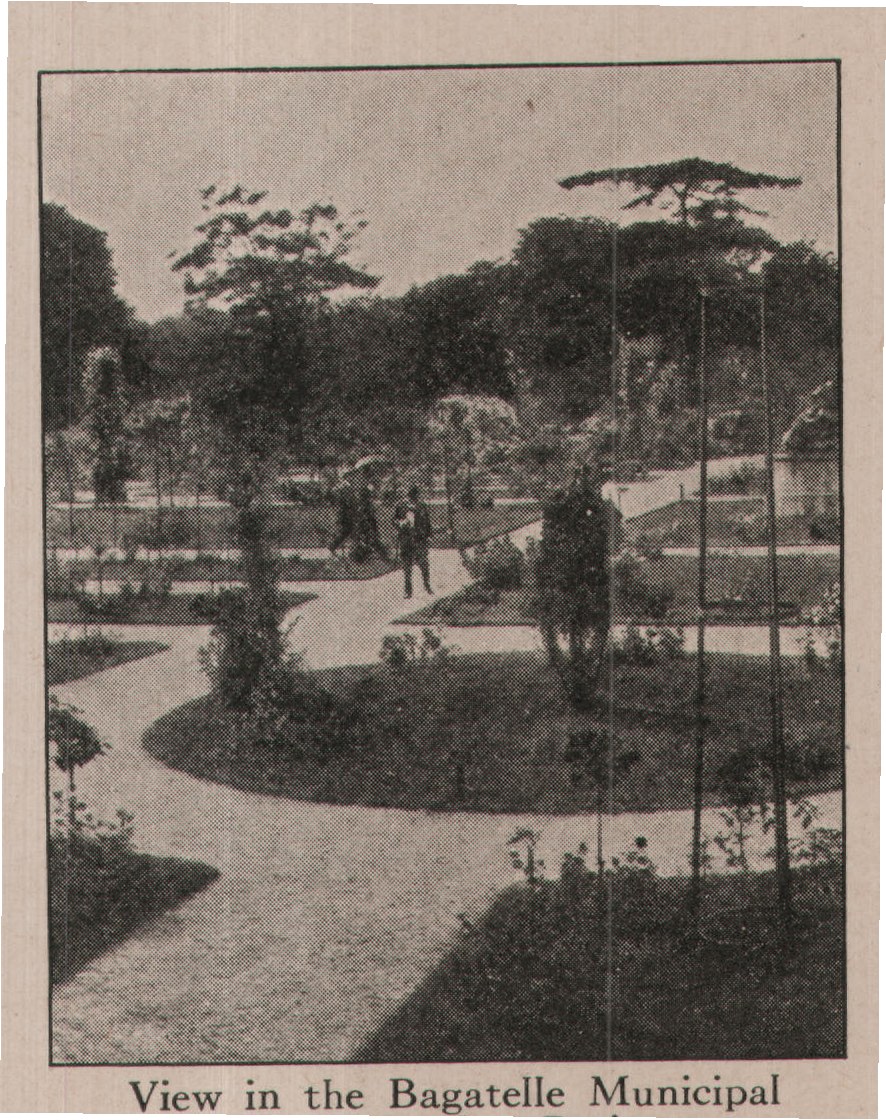
View in the Bagatelle Municipal Rose-Garden, Paris Roses, roses everywhere A Famous Rose-Garden The most beautiful rose-garden I have yet found in either America or Europe was near Paris. Accompanied by Mrs. Pyle, I arrived at the Roseraie de L'Hay early one day, and we lingered there till sunset, enchanted. A permanent rose-garden with thousands of varieties, it includes roses said to have originated in the sixth century B.C. Roses from every continent are arranged and trained in all imaginable styles, from borders of Baby Ramblers to giant Tree roses, 15 feet high and IO feet spread. Tunnels completely covered with climbing roses form outlooks through the garden, with here a bit of statuary, there a fountain flashing in the sunshine, with roses, roses everywhere, from the broad- Note this giant Tree rose ROSERAIE DE L'HAY And here we lingered till sunset petaled, deep red Lion climber to the splendid M. Gravereaux, named in honor of the owner of this magnificent garden. We strolled down the long, box-bordered pathways, with familiar faces among the roses looking up at us from beds at our feet, and climbers looking straight at us, and half-beckoning from either side, as we passed, until, spellbound, we stood and gazed down the long vista of colorcovered beds, back-bordered with still other climbers in bloom.
And this is only one picture out of hundreds of such!
What a love for the rose must have helped to fashion the quiet arbors and festooned balustrades, the archway entrances, artistic screens, and disappearing pathways, so well planned that every turn brought a fresh surprise, each one more entrancing than the other!
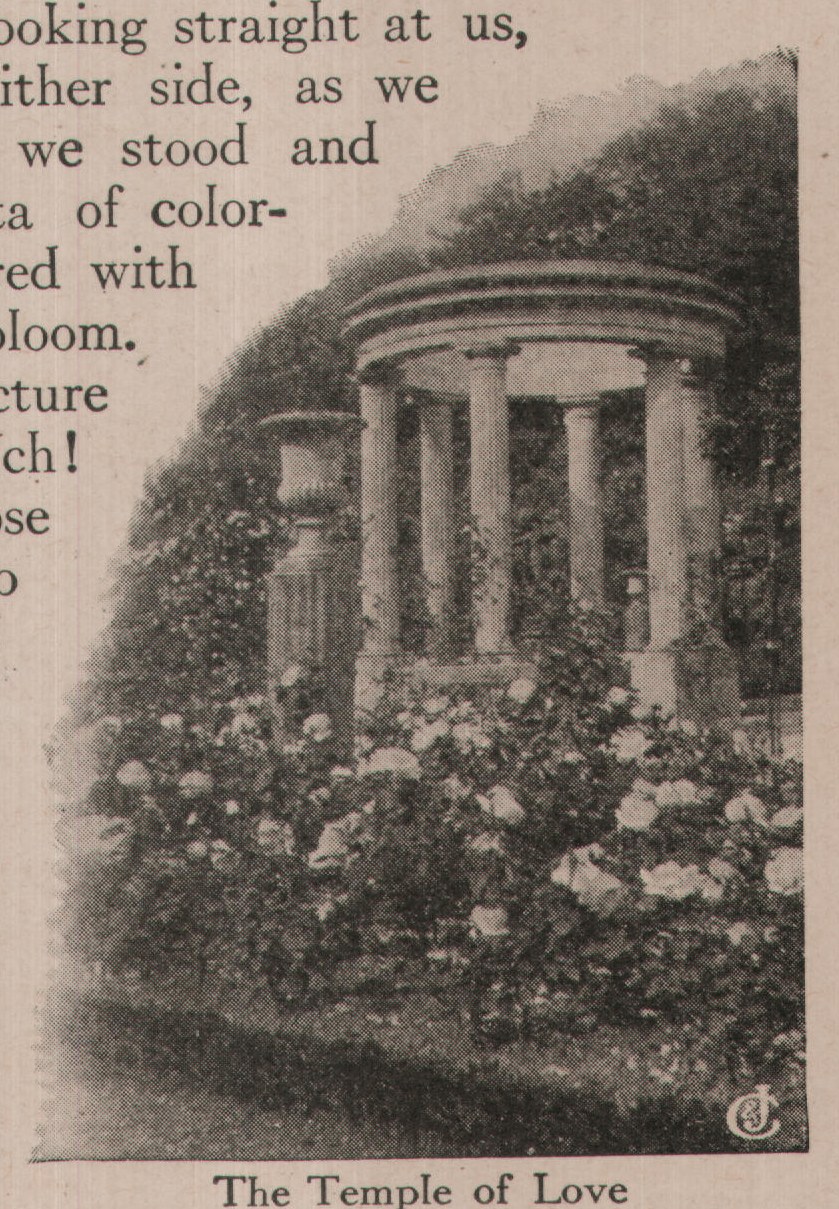
The Temple of Love Finally, so well hidden by an encircling temple of trees that we nearly missed it, was an open-air theater with turf seats, and along the front of the stage, for footlights, was a brilliant row of blooming roses. There, amid this paradise, in charming French fashion, our host entertained his guests with a musical recital. From this garden came the inspiration for starting the Municipal Rose-Garden of Paris in the Bagatelle. Now that Mons. Jules Gravereaux is gone, we realize what a happy memorial it is that his native city should maintain for all time, we hope, this great rose-garden, which he started for the pleasure of his fellow citizens. [From notes and photographs taken by Robert Pyle, president of The Conard & Jones Co., West Grove, Pa., on the occasion when he represented the American Rose Society and acted as a judge at the International Contest of Garden Roses at Bagatelle, Paris, June, 1911.] The Red Rose Church at Manheim We know of no more unique ceremony in America than Manheim's "Feast of Roses." In 1750, Baron Heinrich Wilhelm Stiegel, coming from Germany, settled in Lancaster County, Pennsylvania, and founded the little town of Manheim. He prospered in business and later deeded to the Lutheran congregation (which he organized in 1769) a plot of ground for the erection of a house of worship with the following stipulation: "yielding and paying therefor at the said town of Manheim, in the month of June, yearly forever after, the rent of ONE RED ROSE, if the same shall be lawfully demanded." And now each year, with appropriate exercises, the congregation of the Manheim Lutheran Church pays to the heirs of Baron Stiegel the unique ground-rent of "one red rose," and each year recalls the memory of a man who, though "dying in poverty, had yet left the noblest of all memorials, the love, reverence, and gratitude of a community whose industry he had stimulated, whose ideals he had fostered, for whose spiritual welfare he had made permanent provision." (Published with the permission of the pastor, Rev. A. E. Cooper.) ROSE TRINKETS Rose-Beads IOI For the following formula the author is indebted to a good friend of his from New York State, whose experience in making rose-beads is far more extensive than his own. “Gather the petals of roses even newly fallen ones will do-till you have, say, half a peck. Grind these through a meat-chopper till they become pulp. In order to have the beads jet-black when finished, place this pulp in an iron pan, or, lacking that, mix in a teaspoonful of ground copperas (ferri sulphas), and stir thoroughly; the mixture will soon become brown. Set it now in the sun or a warm oven till it gets black. After this, put all through the meat-chopper again till it becomes like putty, and then form the beads. They can be made any shape you like, -round, square, hexagonal, etc., but form them twice the size you wish to have them when finished. Rolling them into little balls with the hand will make smooth beads. If you wish them figured, the buttend of a steel writing-pen is a convenient tool, to be used, of course, when the beads are still soft. When properly formed, transfix them to a board with a pin, then keep them hot and dry, and in two or three days they will become small and hard, and may be strung through the hole left when the pin is removed."
A European authority gives us a slightly different formula, and recommends using a mortar instead of the more prosaic and modern meat-chopper. "Freshly gathered rose-petals are beaten into a pulp and then dried, but before becoming completely dry, rose-water is added and they are again beaten and dried, the operation being repeated till the pulp has become very smooth. Then the desired shape is given and they are perforated in order to thread them, and so a kind of bead is formed, which is dried. When they have become very hard, they are smoothed and polished, after which they are rubbed with oil-of-roses in order to give them more perfume and gloss. If a brass mortar be used, the pulp takes a deep black color, through the action on the metal of the gallic acid contained in the roses. On the other hand, if a marble mortar be used, blue and red and other colored beads can be manufactured according to the coloring materials employed. The black beads are most highly prized. They have been manufactured principally at Adrianople, Smyrna, and Constantinople."