Home › List of Bulbs › List of Bulbs
List of Bulbs
A. REFINED LAWN AND GARDEN AREAS. This group contains only the standard types and varieties of bulbs from which to select material for the average planting. There are hundreds of varieties of bulbs which may be used with more or less success; but this list is intended to be merely a safe guide to the beginner.
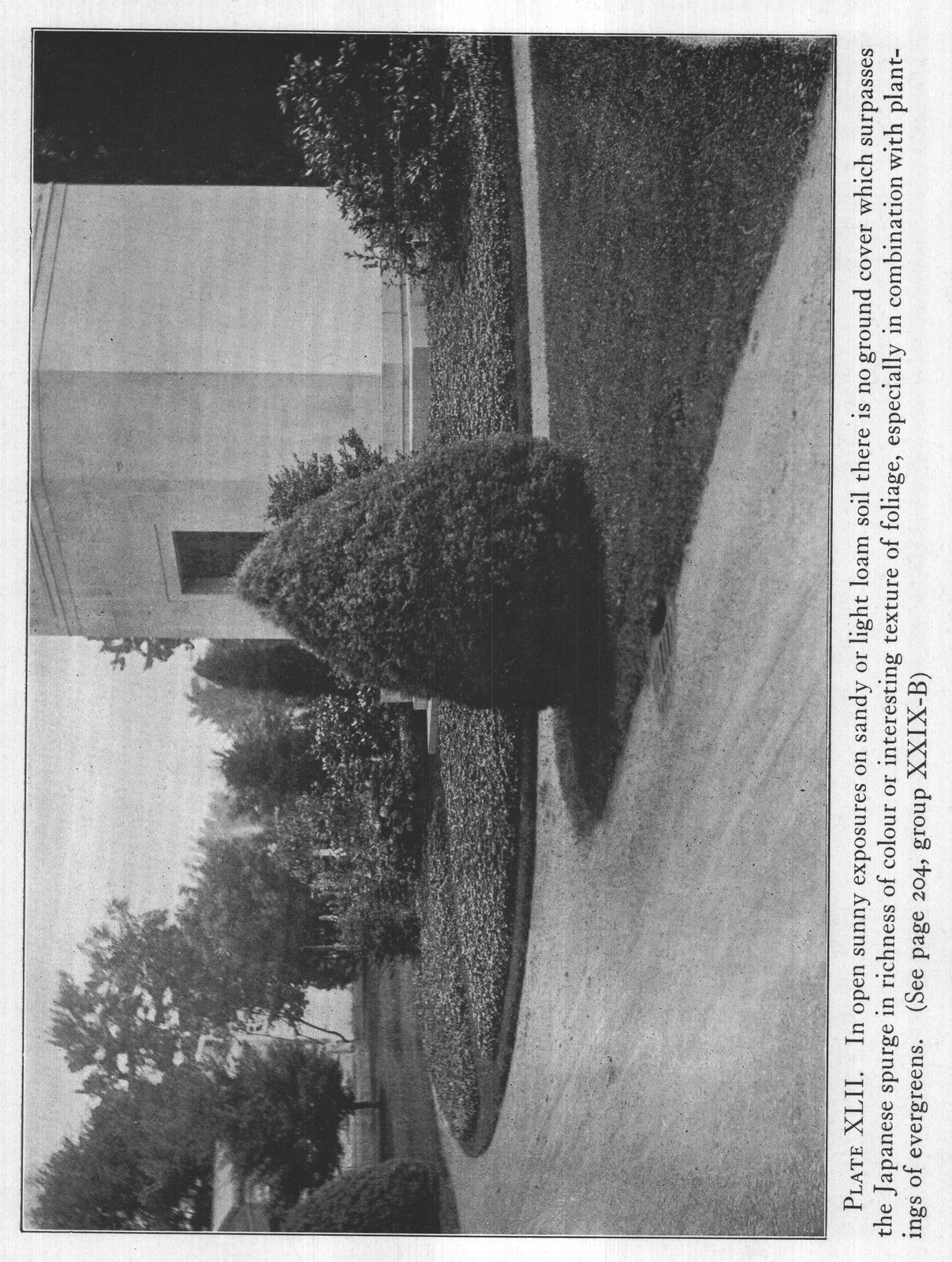
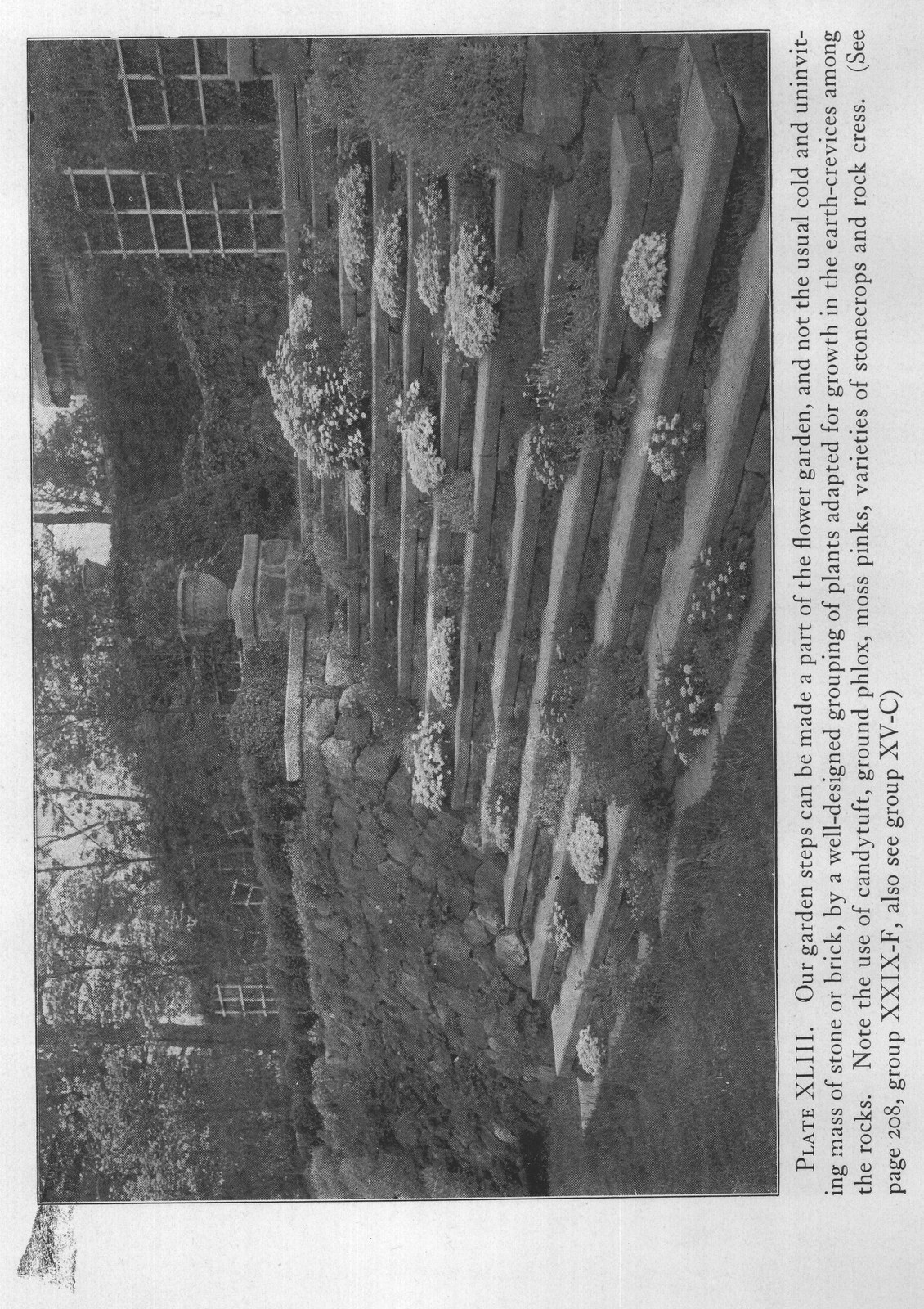
Chionodoxa luciliae Glory-of-the-Snow Crocus (fall blooming) Crocus Crocus (spring blooming) Crocus Galanthus elwesi Giant Snowdrop Hyacinthus (in variety) Hyacinth Muscari botryoides Grape Hyacinth Narcissus (double) Narcissus Narcissus barri Short Cup or Trumpet Daffodil Narcissus incomparabilis Medium Trumpet Daffodil Narcissus leedsi White Daffodil Narcissus poeticus Poet's Narcissus Narcissus Trumpet major Long Trumpet Daffodil Scilla sibirica Siberian Squill Tulipa (in variety) Tulip B. NATURALIZING IN WOODLAND AND WILD GARDENS. Bulbs valuable for naturalization in woodland and wild garden areas must be of the kind which will continue to increase without further care than is ordinarily given to such an area. All of the material in this group, except the gold-banded lily, may be expected, after being properly planted, to continue with the succeeding years to become thicker in growth and still remain nearly as vigorous as when first planted. Allium moly Yellow Lily Leek Camassia esculenta Wild Hyacinth Convallaria majalis Lily-of-the-valley Eranthis hyemalis Winter Aconite PLATE XLII. In open sunny exposures on sandy or light loam soil there is no ground cover which surpasses the Japanese spurge in richness of colour or interesting texture of foliage, especially in combination with plant- ings of evergreens. (See page 204, group XXIX-B) the Japanese spurge in richness of colour or interesting texture of foliage, especially in combination with plantings of evergreens. (See page 204, group XXIX-B) PLATE XLIII. Our garden steps can be made a part of the flower garden, and not the usual cold and uninviting mass of stone or brick, by a well-designed grouping of plants adapted for growth in the earth-crevices among the rocks. Note the use of candytuft, ground phlox, moss pinks, varieties of stonecrops and rock cress. (See page 208, group XXIX-F, also see group XV-C) Erythronium americanum Adder's tongue Frittilaria meleagris Guinea-hen Flower Leucojum vernum carpaticum Snowflake Lily Lilium auratum Gold-banded Lilium canadense Wild Yellow Lily Lilium philadelphicum BULBS Narcissus poeticus Poet's Narcissus Narcissus leedsi amabilis Short-cupped White Daffodil Narcissus Trumpet Major Long Trumpet Daffodil Ornithogalum umbellatum Star of Bethlehem Scilla campanulata Squill Trillium erectum Wake Robin Trillium grandiflorum Large-flowered Wake Robin Tulipa clusiana Lilium candidum Madonna Lily Wild Red Lily Lilium speciosum Showy Lily Lilium tigrinum Tiger Lily Early-flowering Red Tulip Tulipa kaufmanniana Early Tulip Lady Tulip Tulipa greigi C. NARCISSI FOR DIFFERENT LOCATIONS. In moist, well-drained loam use the large trumpet types. In heavier, damper, lower ground use the poeticus and double gardenia-flowered form. In warmer climates, on damp, moist soil, use the double daffodil. In rockeries use the hoop-petticoat, cyclamen-flowered, and triandrus sections. D. TULIP COMBINATIONS. The most interesting effect can be obtained from the planting of tulips when study and thought are given to the colour effects of the flowers. Many interesting plantings of tulips have been completely spoiled from the standpoint of the landscape effect in a garden and on a lawn because sufficient thought has not been given to the relationship between the colours of the flowers and the season of bloom. It sometimes requires a complementary colour or a contrasting colour to make the most interesting flower effect. There are many tulip combinations which may be selected, but the following are a few which may be used as a guide: a. Single: