Home › Magazine Reference › Magazine Reference: Loam
Magazine Reference: Loam
Earthy matter containing clay, silt, sand, and organic matter in such proportions as to make a soil adapted to supporting vegetable growth. Loam varies from a very sandy loam to a very clayey loam. Usually called topsoil. (See topsoil 6.) Loam, sandy:
Loamy soil which contains a predominance of sand.
Lump Lime:
Burned limestone not evenly slaked so as to become finely divided. Magnesian Lime:
A term describing a lime or limestone containing both magnesium carbonate and calcium carbonate.
Magnesium:
An element, usually occurring as magnesium carbonate, which is a compound useful in correcting soil acidity.
Manure:
Marl:
Any material, either organic or inorganic, containing a superabundance of plant food or material which upon decomposition or nitrification becomes available plant food.
An earthy, crumbly deposit consisting chiefly of clay and calcium carbonate much used as a substitute for land lime. "Green sand" marl may be acid, but good chalk marl is valuable for neutralizing acids. Miidew:
A diseased condition caused by the downy mildew fungus. Muck:
Black swamp earth which varies widely in available plant food, very similar to peat except that water is not constantly present during the process of decay; hence the nitrifying bacteria are present and the material is better suited for immediate use as plant food. It is in an intermediate stage between leaf mould and peat.
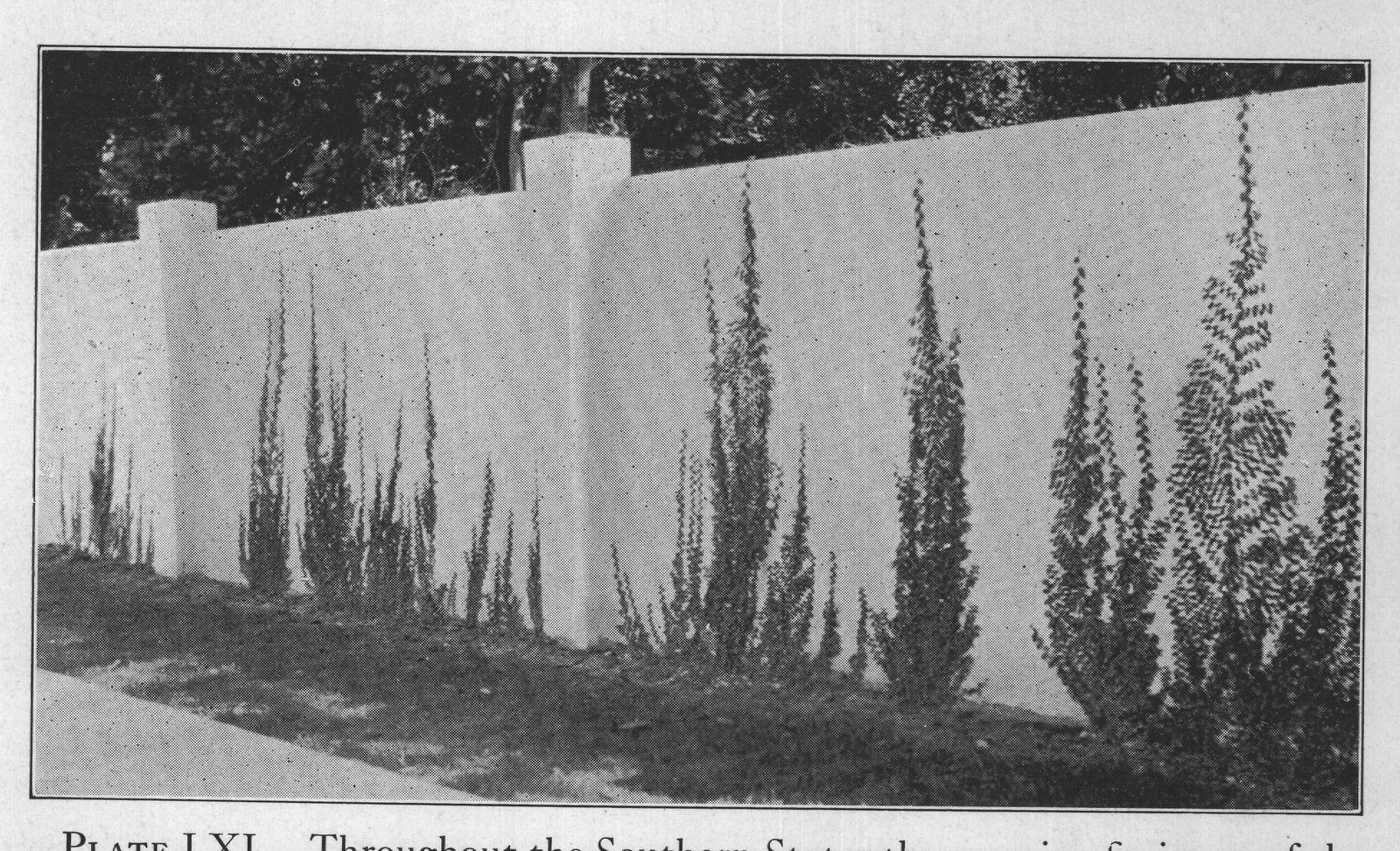
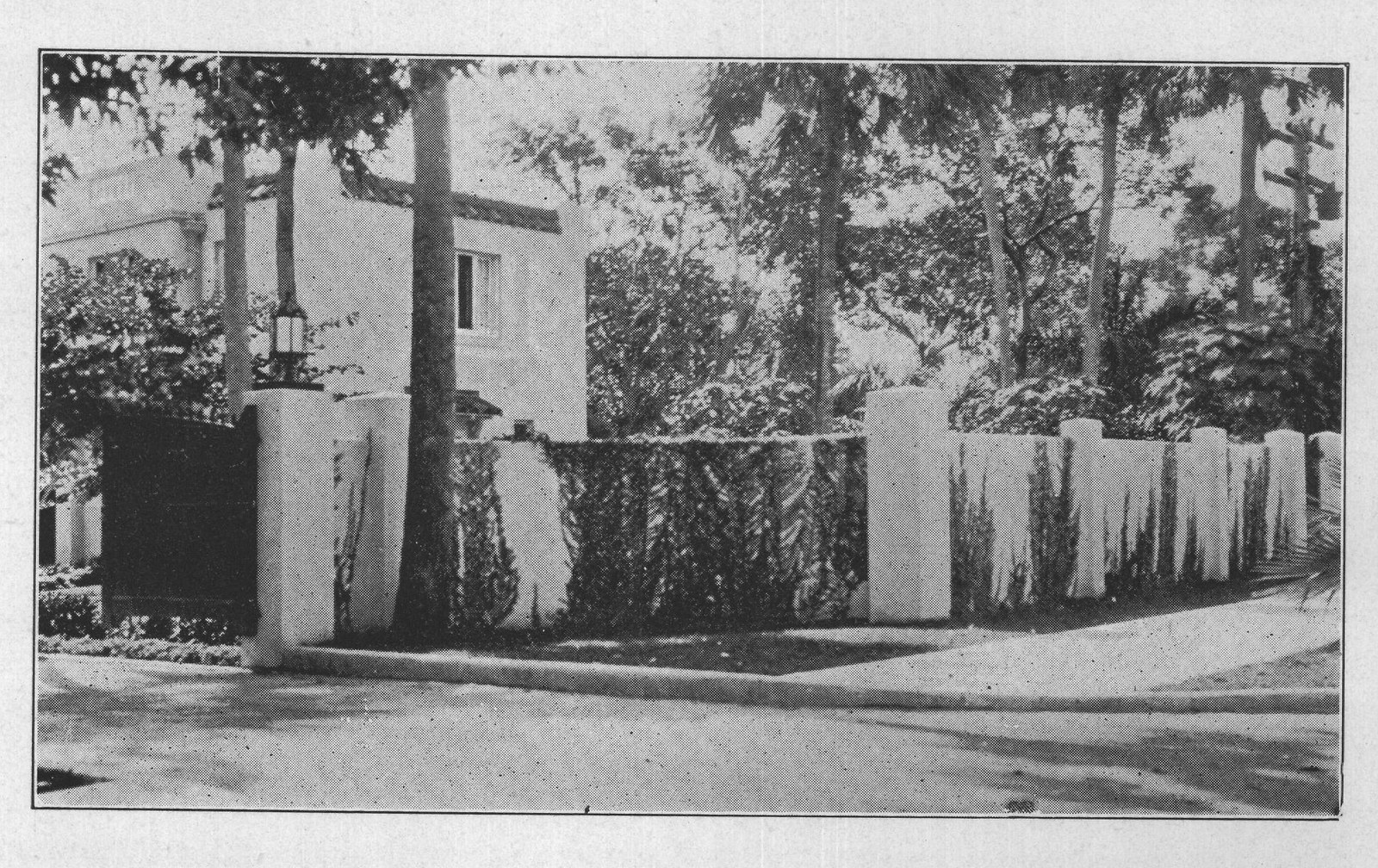
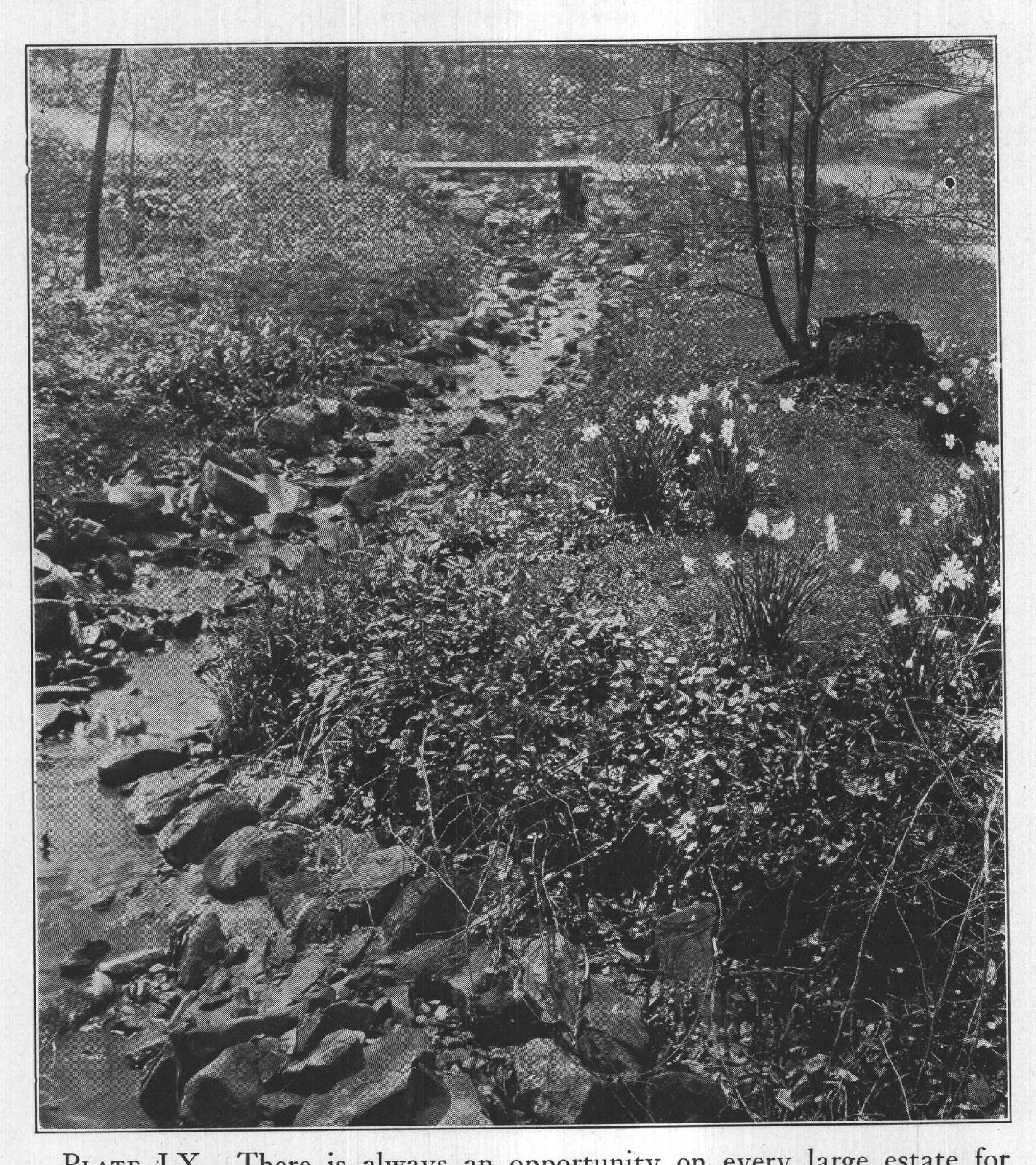
PLATE LX. There is always an opportunity on every large estate for the naturalizing of bulbs. Poet's narcissus is quite happy in a wild garden or field environment. (See page 270, group XXXVI-B) PLATE LXI. Throughout the Southern States the creeping fig is one of the most desirable vines for growth on masonry walls. It develops interesting foliage of a fine texture and is a vigorous grower and compares favourably with the Lowe's Boston ivy, so successfully used in the Northern States. (See page 303, group XLIII-C-b) Mulch:
GLOSSARY A surface covering about the base of plants to prevent or retard evaporation of moisture from the soil, and prevent sudden freezing and thawing in the soil. Dead leaves, straw, manure, etc., are commonly used.
Naturalize:
To adapt and to cause to grow, without artificial care, in a woodland or field environment. This does not imply reproduction of its kind in the new location.