Samydaceae
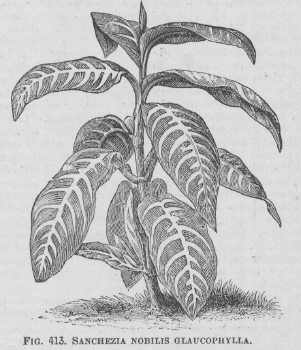
A natural order of glabrous, pubescent, or tomentose trees or shrubs, broadly dispersed over tropical regions. Flowers regular, usually hermaphrodite, inconspicuous, racemed, fascicled, or panicled; calyx coriaceous, persistent, the tube usually free, the limb of three to seven imbricate or valvate lobes; petals as many as the calyx lobes, and similar, rarely more or wanting, imbricate in bud; stamens definite or indefinite, in one or many series, usually alternating with staminodes, equidistant or collected in fascicles; filaments filiform or capillary, free or connate; anthers didymous or oblong; pedicels articulated and bibracteolate. Fruit indehiscent or capsular, one-celled, one or many-seeded, three to five-valved at the top and throughout its length. Leaves petiolate, simple alternate and distichous, rarely opposite or whorled, sometimes pellucid-dotted, entire or serrated, the teeth sometimes gland-tipped; stipules small, usually deciduous, or absent, rarely leafy. The order comprises seventeen genera, and about 150 species. Examples: Abatia, Banara, Cascaria, Homalium, and Samyda.