In studying the remains which have come down to us from other days, as, for instance, the great monoliths of Stonehenge, we are forever foiled by the limitations of the visible. Bound by these and what do we get beyond a bare specification of shape, material and color. So many uprights of brown silicious sandstone, roughly squared; so many lintels of the like laid across; so many smaller stones of an igneous nature standing within the others; so many feet-run of rampart and ditch enclosing the whole. All this may be fully set forth, and even drawn with every added charm of desolate foreground and weirdness of shadowing and sky effects, without suggesting the least clue to the haunting mysteries of life and meaning and origin wrapped up in the great creation.
The same thing holds good of our old English villages and country houses. Beautiful though they often are, their chief allurement is that they are the expression and memorial of another England than the one in which we live and move. Manor-house, church and village—that oft-repeated trinity of our rural lands—enshrine for us everywhere vivid realities of earlier experience, which do not appear in the small-scale narrations of our general histories. Therefore the research of to-day strives to recover the detail, as far as may be, life size, that the things of the past may stand before our eyes more nearly on a like plane with those of our own times. To this process of recovery the local annals of manor-house, church and village, as gleaned from many an ancient charter, will and record, have largely contributed.
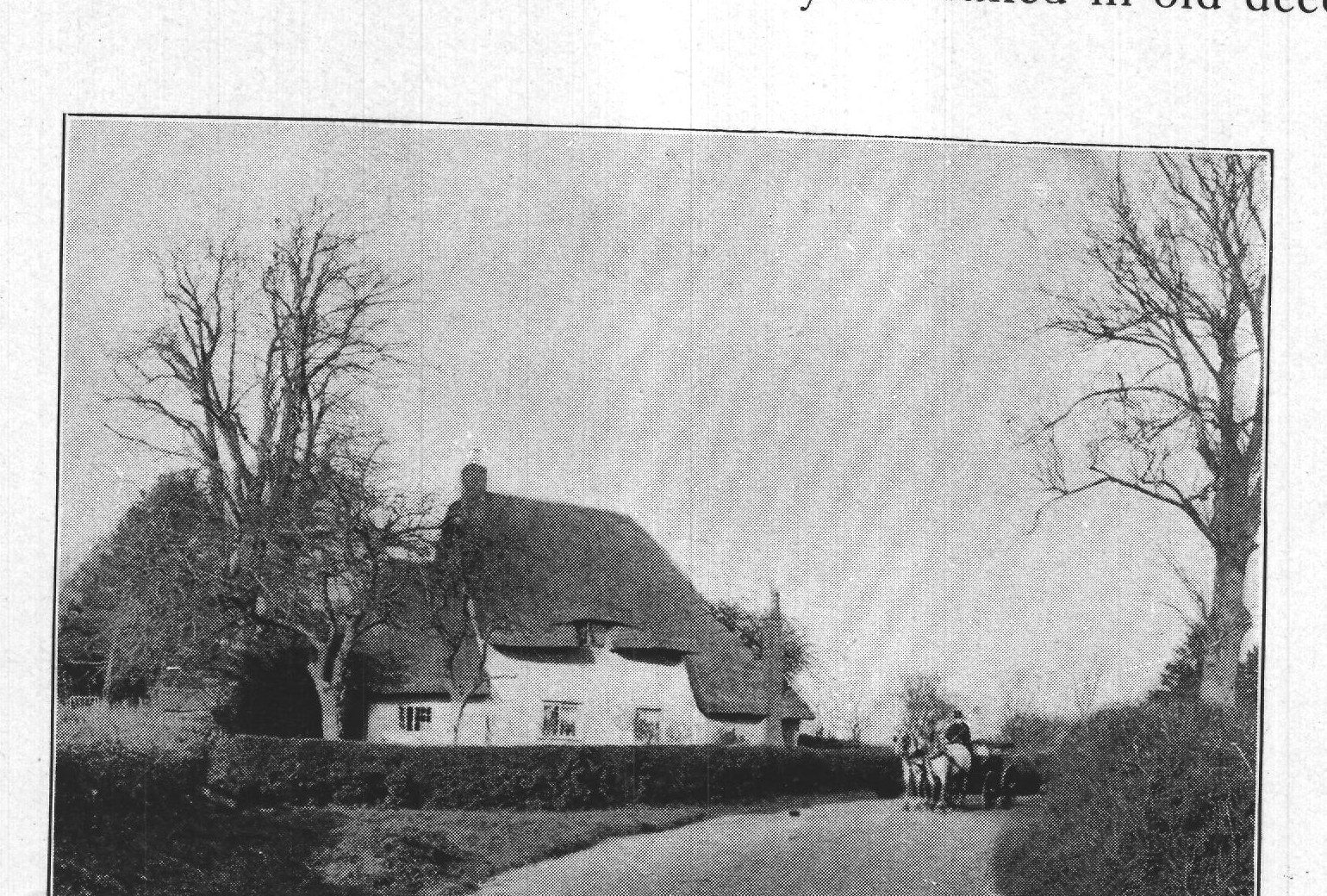
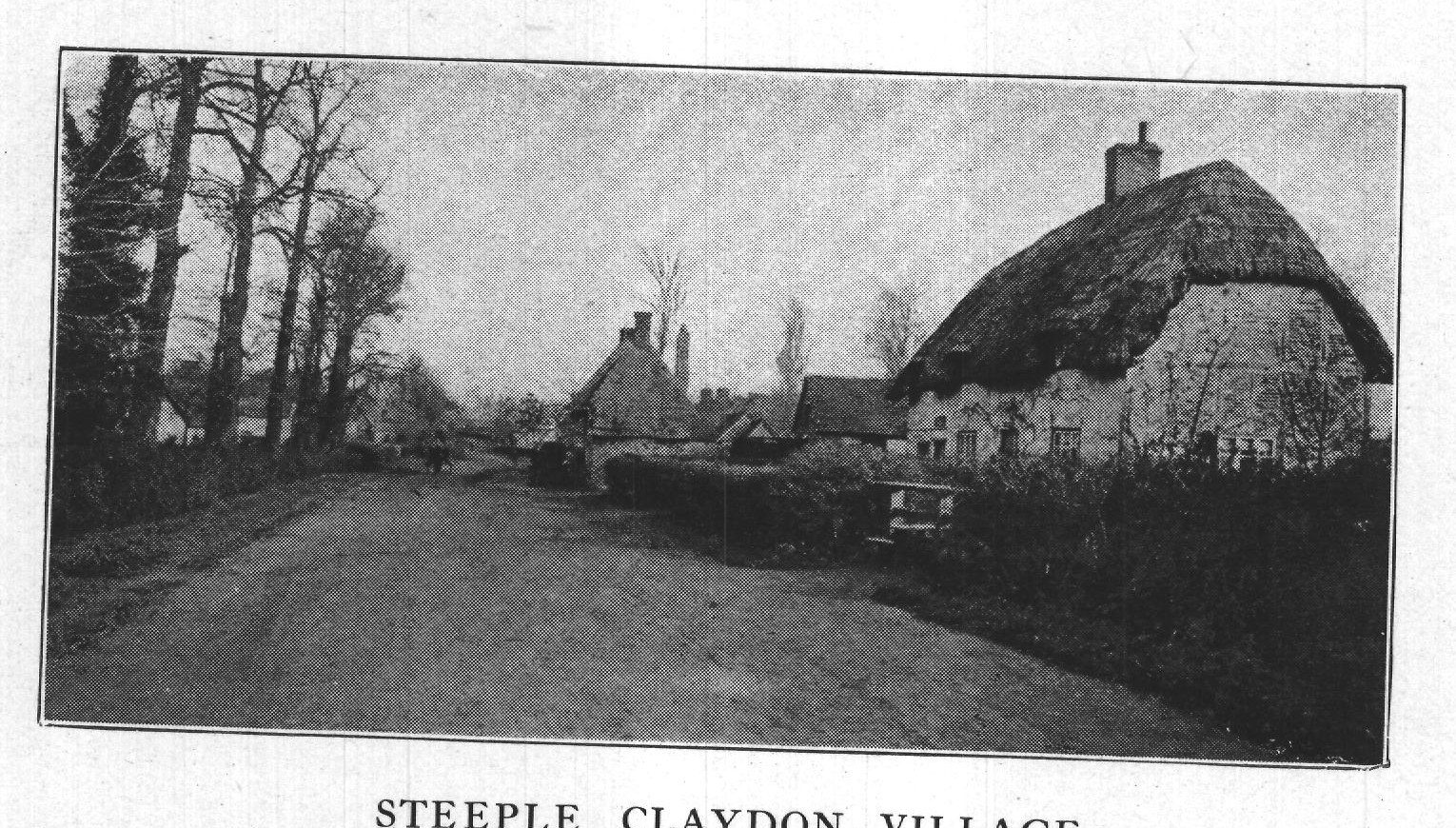
The Buckinghamshire villages of Steppel Claydon, Est, and Botyl Claydon, and Middel Claydon, as they are called in old deeds, are typical examples of rustic sites with vivid stories. They are situated in the heart of the county, on a breezy down, which has been associated for four hundred and fifty years with the fortunes of the Verney family. None of the prefixes of the village names appear in Domesday. The Norman record calls them simply Claindone or Claidone. At that time the old vills were already long-established and flourishing settlements. Their population in 1086 cannot have been far short of six hundred souls, even after the reduction caused by the calamities just overpast. The census of 1901 gives them 1,288 inhabitants. Their Domesday assessment is 50 hides, or roundabout 6,000 acres,¹ with also some 1,500 acres of wood. Their total area at present is a little over 8,000 acres, so that the difference is comparatively slight. These facts prove the strong continuity of the village life from Anglo-Saxon times and even earlier, for in 1620 a pot was found near the pond of Steeple Claydon full of Roman coins of brass, chiefly of Allectus and Carausius.² Hidden money tells its own tale of people on the spot who found it necessary to hide it.
¹Mr. J. Round and others have practically proved that the hide, whilst a term of assessment rather than of measurement, is usually equal to 4 virgates of 30 acres each.
²287 to 296 A. D.
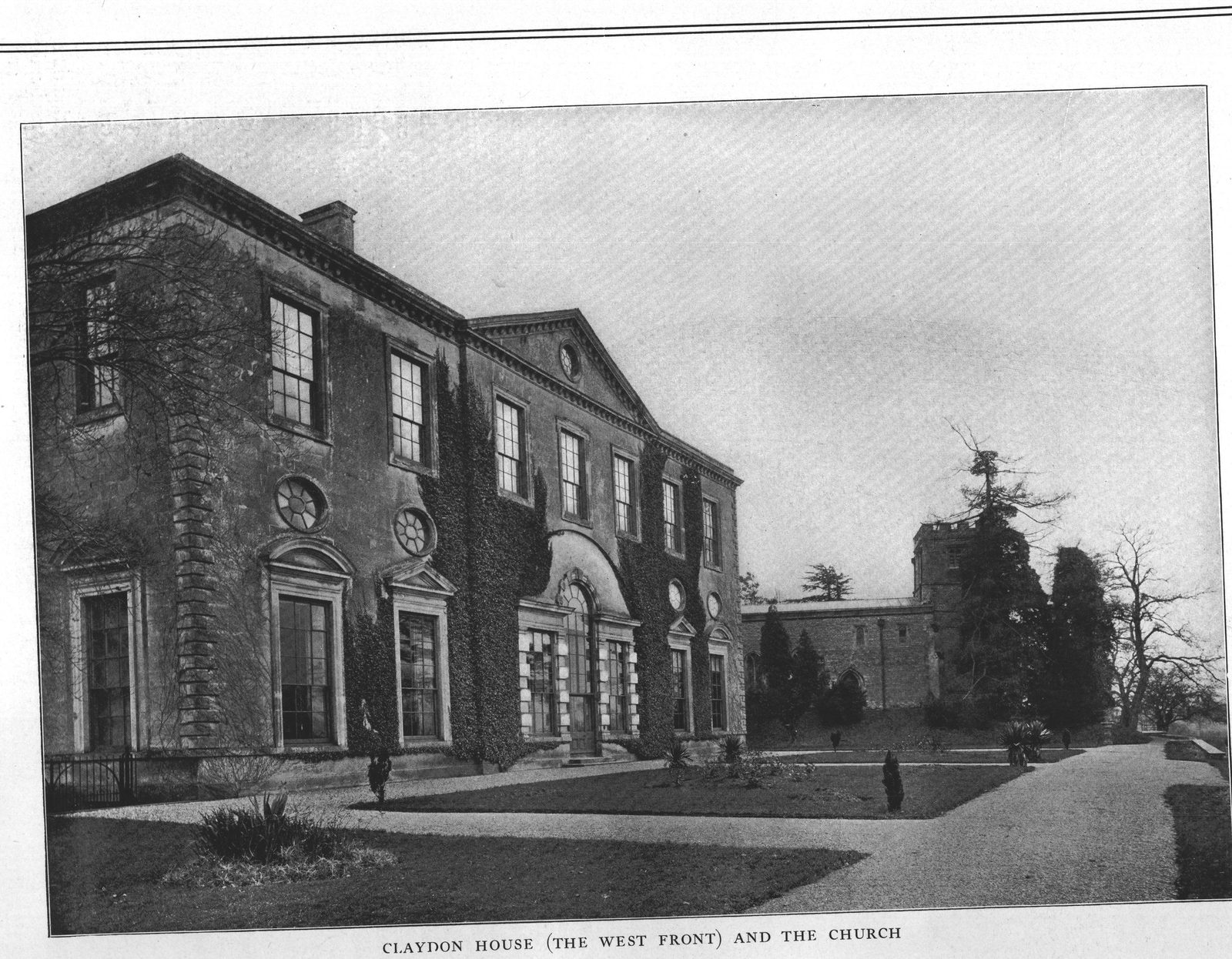
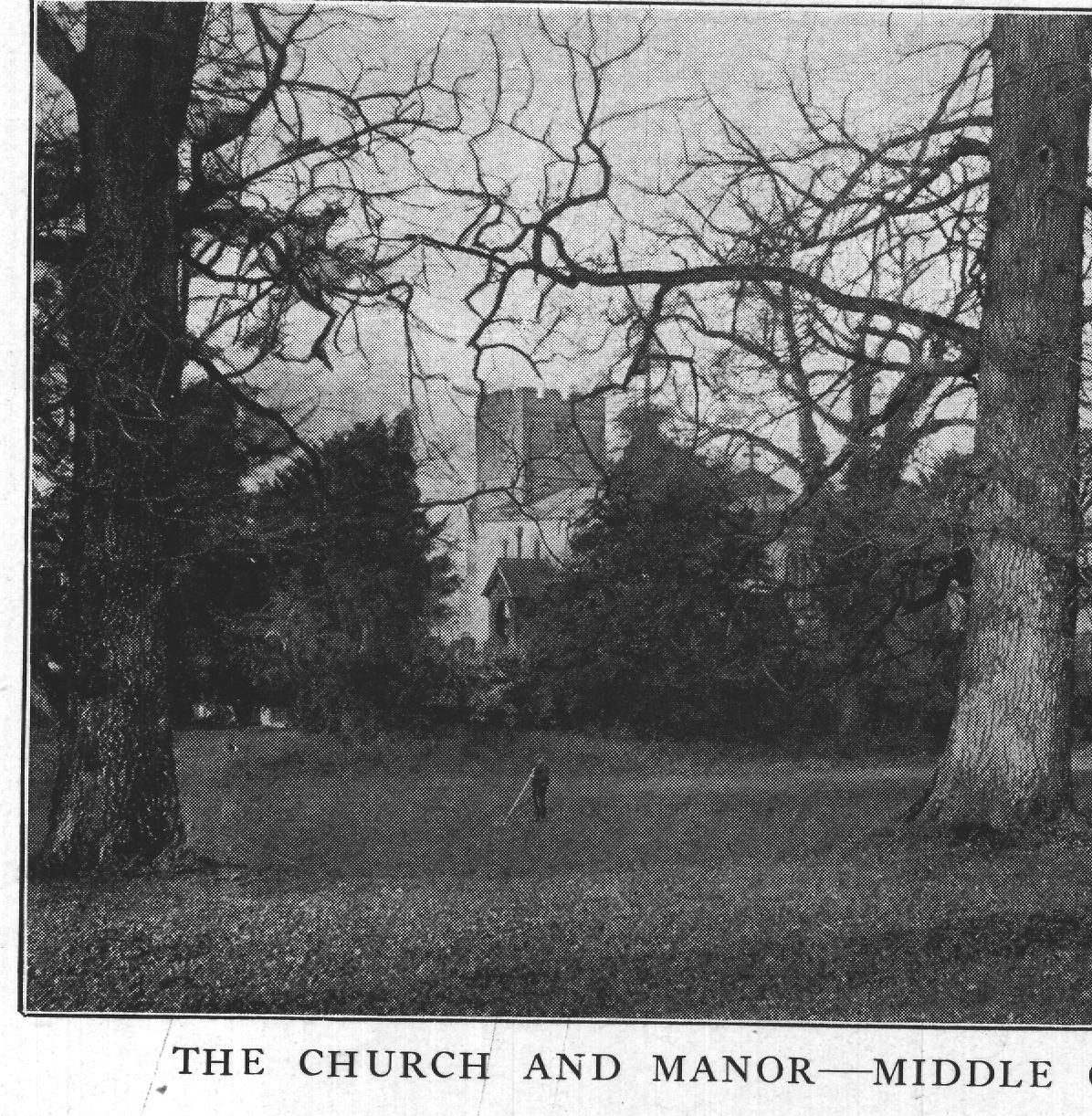
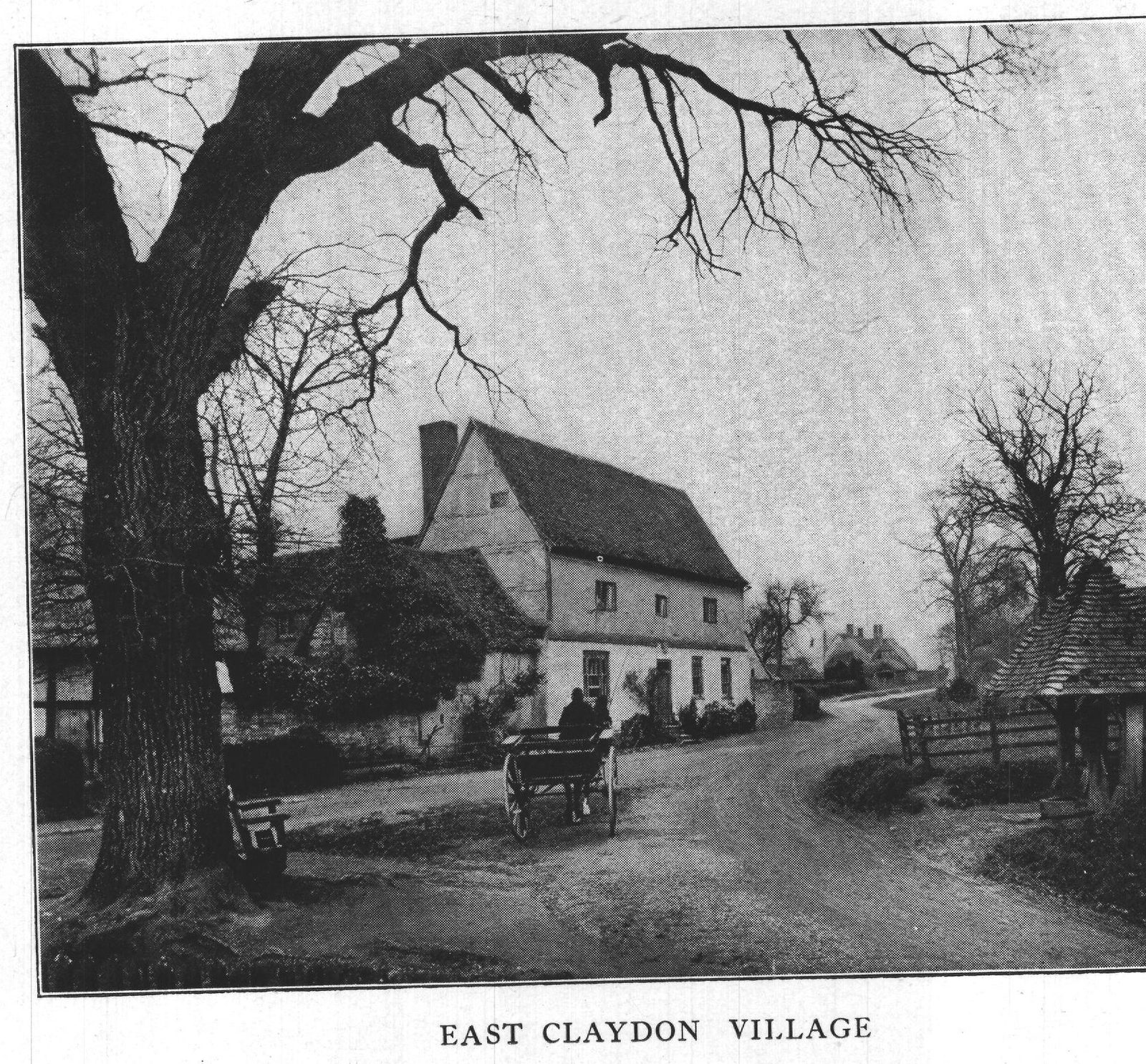
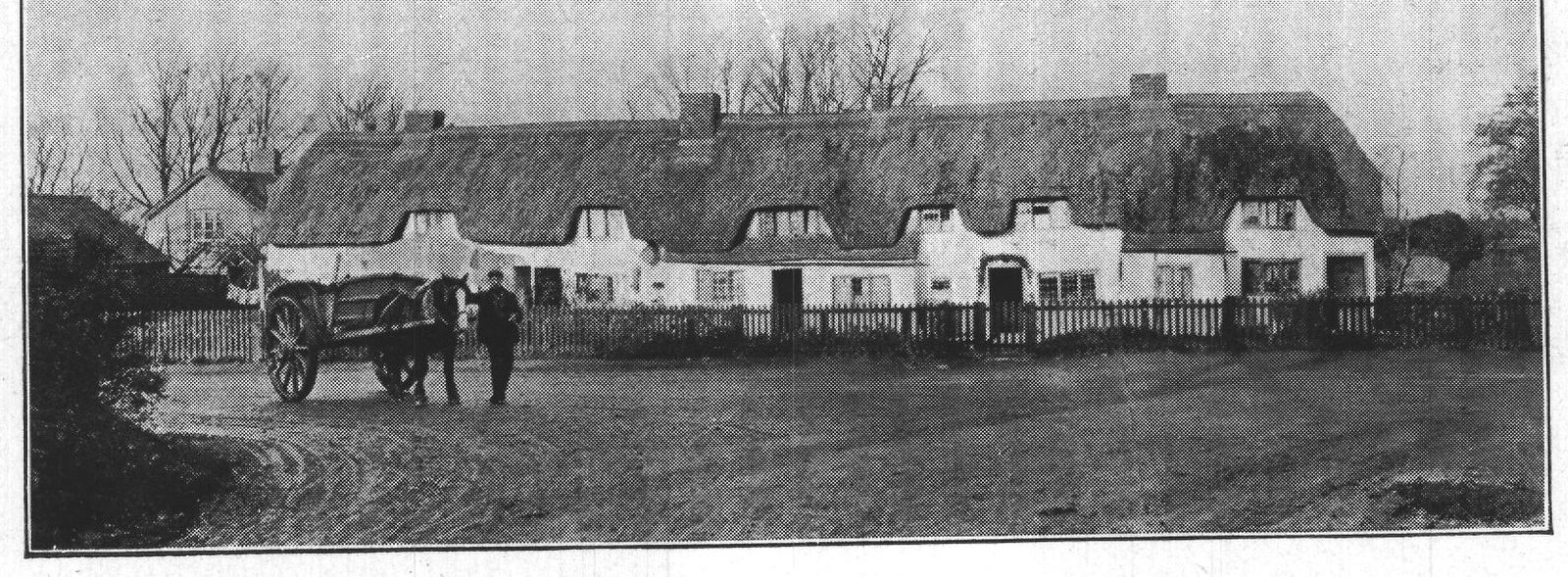
In later Anglo-Saxon days these vills were communities of a distinctly manorial type, with the thegn's headquarters firmly set down within his earthen ramparts and moats, and with his church close by for the service of his own household and his geburs, or half-free laborers. At three of the villages the later church stands now, as then, hard by the early manorial center, and at Steeple and East Claydon banks and moats still remain, which may very well mark, as in other places, the site of the Saxon manor-stead. It is therefore interesting to remember that Sir Edmund Verney, the present lord of all four manors, is the successor of Alwyn the Confessor's thegn, and of Ansgar, his staller, or horse master. Nearly a thousand years divides them, but from century to century the homes of lord and laborer have continued on very much the same plots of ground. So tenacious is the life of a people, when once it takes root in the soil, and tends ever towards freedom. As the illustrations show, these villages, with their homes of wattle and daub, timber and thatch, have all the Old World picturesqueness that befits their long descent, and no specifications of material or artist's sketches can convey what they stand for to the reflective English mind.
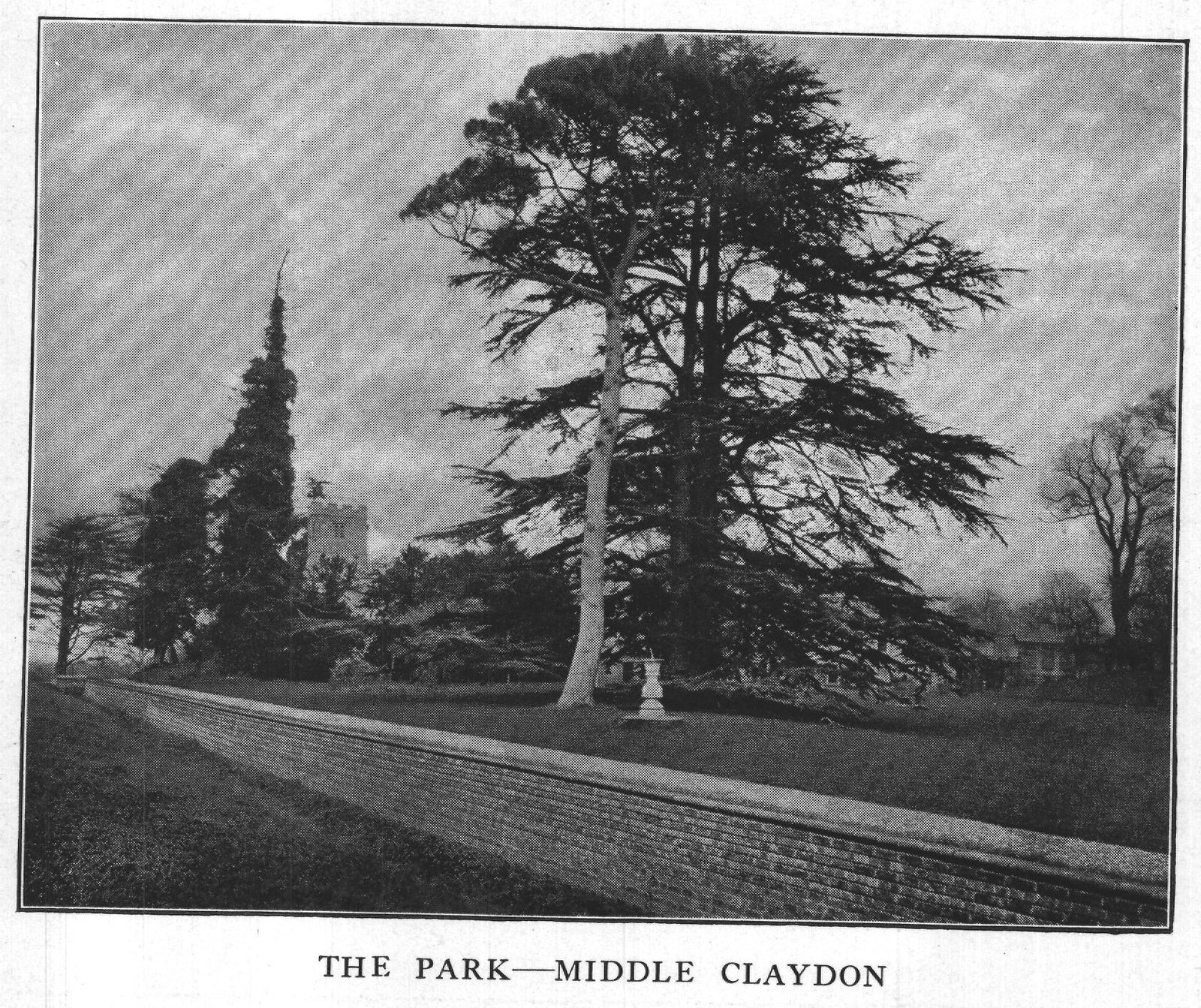
The onetime manor of Alwyn, at Middle Claydon, unlike so many large English estates, came into the hands of the Verneys, not by confiscation but by purchase. Ralph Verney, of Fleetmarston, Alderman and Lord Mayor of London in 1465, was the purchaser. He was an ardent Yorkist in the Wars of the Roses, and when Edward IV. rode through London streets after the victory of Tewkesbury, was knighted, with eleven other prominent citizens, whilst the dead body of the defeated King Henry was being shown to the people in the Tower. Sir Ralph's son John married the daughter and heiress of Sir Robert Mortimer, who lost his life and lands in the cause of Lancaster. When it was desired to recover his estates for his daughter and her husband, it was thus possible to lay claim to them on the strength of services rendered to either side, according to the end of the seesaw which happened to be uppermost. The Verneys by this time had built a fine house at Middle Claydon, in place of an older one, which had been the home of the Cantelupes. The new house, with the manor, was let to the Giffards of Hillesdon, on two long leases, so that the Verneys did not come into occupation again until more than a century later. Much of the core of that house still remains. An old pencil sketch shows it with the stepped gables of Flemish flavor, and with certain Renaissance detail about the windows which probably belonged to the sixteenth century additions. So near are church and manor-house that, if the house windows are open to south, an invalid might follow the service from one of the neighboring rooms. The nave of the church dates from the fourteenth century, but the chancel was built by Roger Giffard in 1519, whose brass still remains on its north wall.
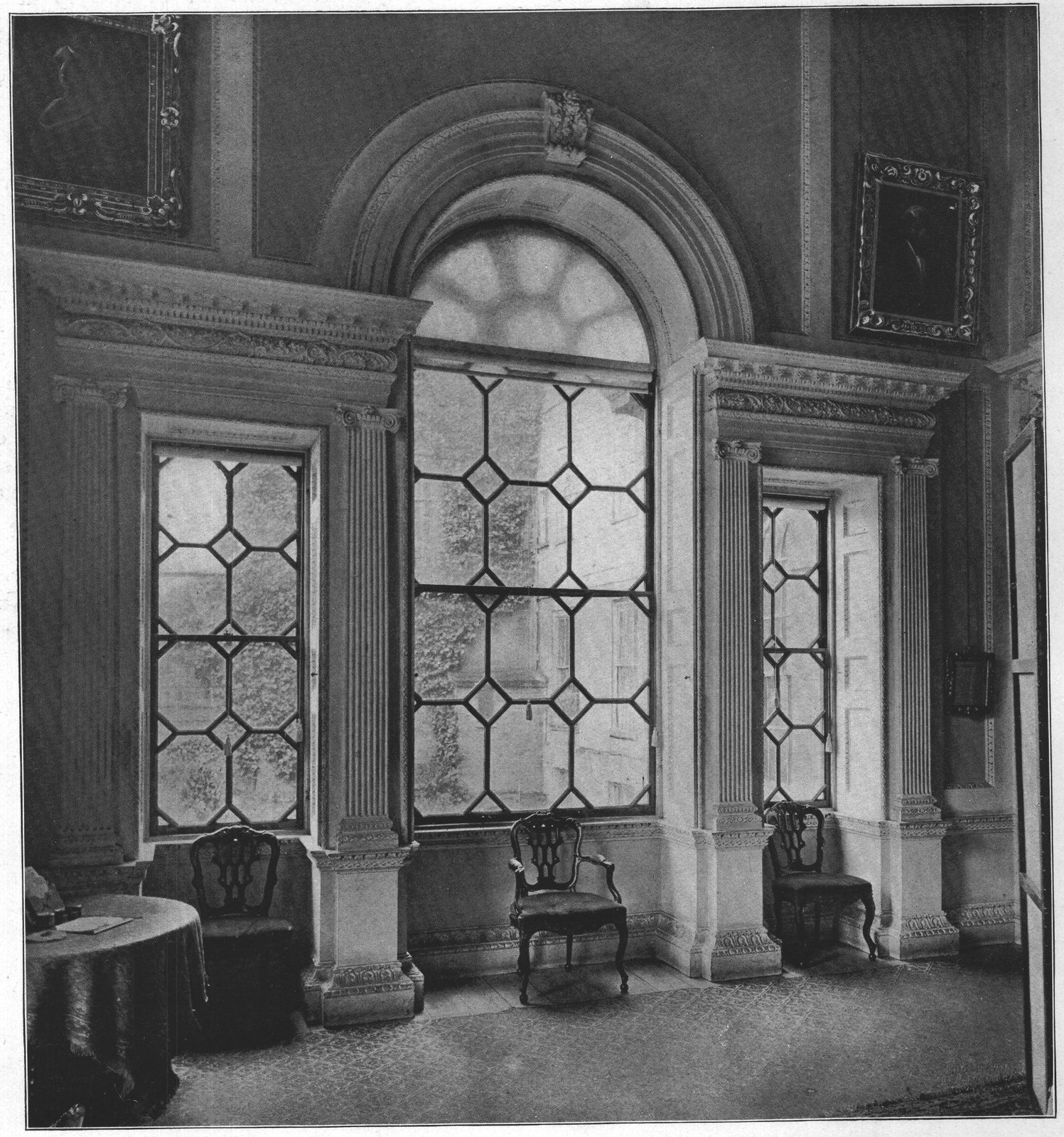
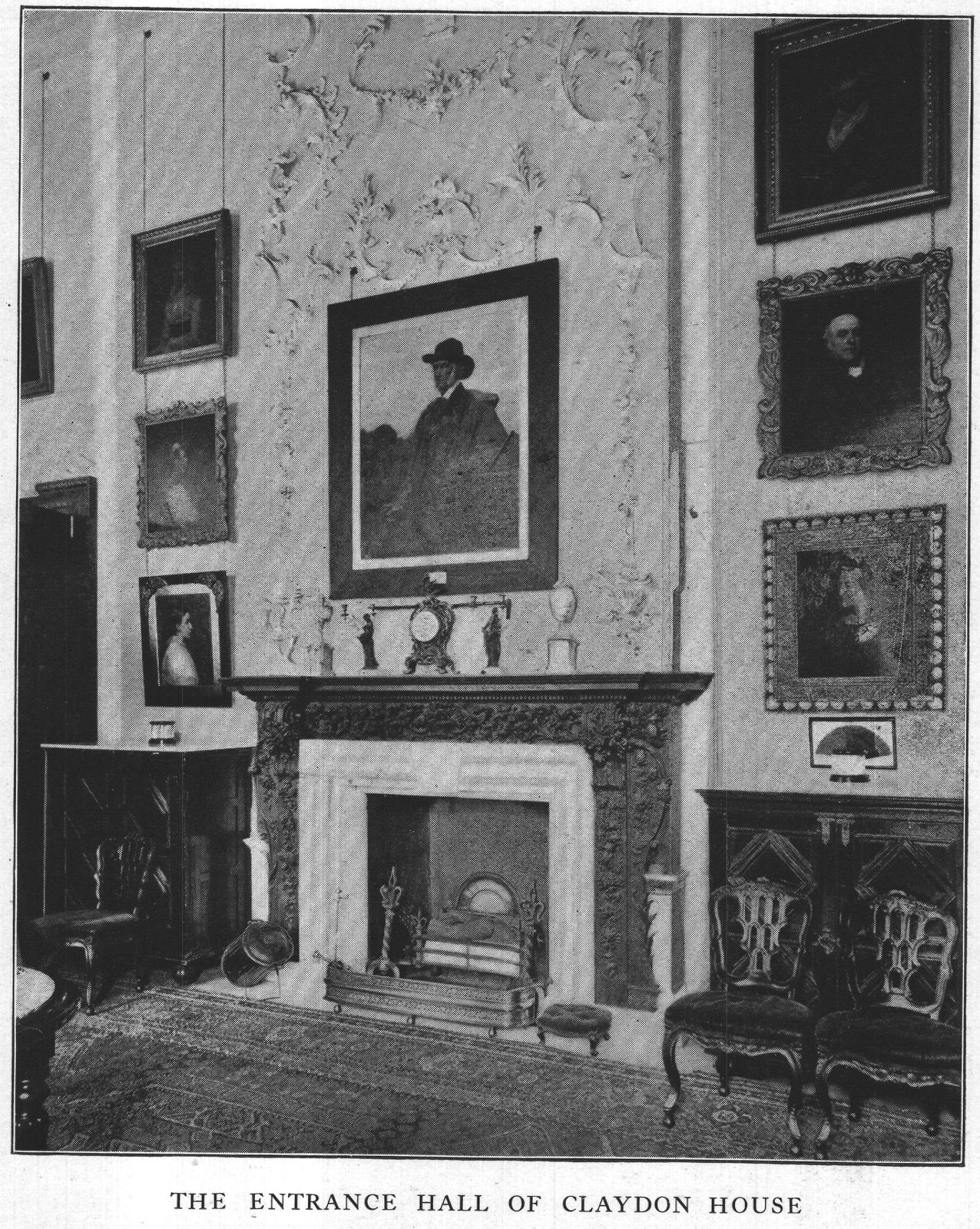
Soon after her marriage in 1858, the late Lady Verney began to explore a treasure trove of great historical value which had long lain uncared for in a wainscoted gallery under the roof of the oldest part of the house. There, stored in numerous trunks on trestles, she found a hoard of parchments, rent rolls, old "News" sheets, and, above all, a vast number of family letters and papers, stained by age and somewhat rat-eaten. One packet of these letters had not even been opened, and had never been seen by those to whom they were addressed. Scattered about, too, in all sorts of unlikely places, and but little valued, were many fine historical portraits by great painters of their day, which now hang in honor on the walls. From these materials both the late and the present Lady Verney have compiled the four volumes of the "Verney Memoirs," illustrated by admirable reproductions of the chief portraits. What the diaries of Pepys and Evelyn have done for the later seventeenth century life of London, the "Verney Memoirs" have done for that of the country gentleman of the period, but commencing somewhat earlier, so as to portray for us the dislocations caused by the Civil War.
The most notable figure of the family at this time was Sir Edmund Verney, Knight Marshal to Charles I., and, on the outbreak of war, his Standard Bearer. After the long tenancy of the Giffards, he had taken up his residence at Claydon House in 1620. In the days of James I., he had been the trusted friend and comrade of the young Prince Henry, the English Marcellus, of whom so much was hoped, but who died untimely in his nineteenth year. His case suggests perhaps the most curious "might-have-been" of history. Had he lived, England might have had no Charles I.,—no Civil War,—no Cromwell,—no Charles II., nor succeeding James,—no William III.,—no resort to Hanover for a collateral branch,—therefore no George III.,—and, who can tell, no American War.
After Prince Henry's death, Sir Edmund Verney accompanied Prince Charles, now heir to the throne, on his wife-hunting Spanish journey, unwilling wooer to a lady unwilling to be wooed. Every member of the Prince's suite was as heartily sick of the venture as was the Prince himself and Sir Edmund's stout Protestantism entangled him in a broil with a certain priest who came dangling after one of the English pages. Little wonder that no matrimony resulted.
Fine portraits of both Sir Edmund and of his son and successor, Ralph, look down from the walls, and reappear in the "Memoirs." Both sat in the Long Parliament. Of some of its most stirring scenes, we have the vivid jottings of an eye-witness in Ralph's pencil diary, recovered from one of the trunks in the attic. Both father and son were strong upholders of parliamentary liberty against royal encroachment. When the crisis came, Sir Edmund found that he could not fight against the King, and Ralph, that he could not fight against the Parliament. With heavy hearts they parted at the dividing of the ways. Sir Edmund came back no more to Claydon, and lies in an unknown grave on Edgehill field. Though for a time separated thus in life and death, father and son are united in the fine Renaissance monument in Middle Claydon Church. Van Dyck's portrait of King Charles, and the ring with the royal miniature, which he gave to his Standard Bearer, recovered from the severed hand after Edgehill, are now among the most valued heirlooms of the family.
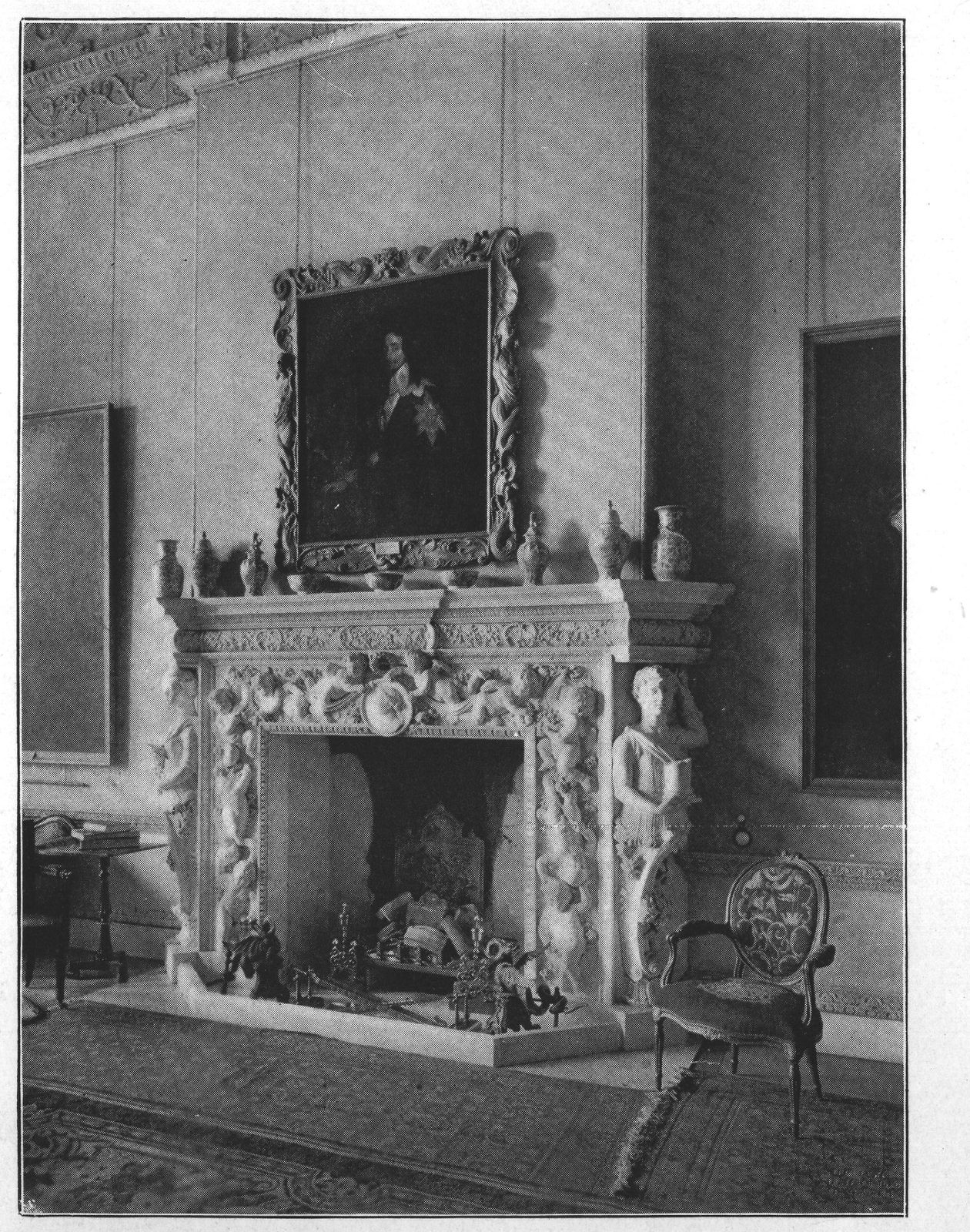
Claydon House was fortunate in escaping spoliation either from one side or the other. It was otherwise with the early home of Sir Ralph's mother, Hillesdon House, only some three miles distant, where her brother, Sir Alexander Denton, then lived. There was an anxious day for the household at Claydon in March of 1644. Noise of battle was heard over at Hillesdon. Ralph's brother, Tom, and two sisters were at the time staying there with the Dentons. Soon the sky was red with the glare of the burning house. Sir Alexander had fortified it as a royal outpost, and that vigorous parliamentary colonel of growing reputation, Oliver Cromwell, had come out to attack it. He lay with his forces for a night roundabout the Church of Steeple Claydon, and next day carried the outworks of Hillesdon, and then the house, which was given to the flames.
Many of its defenders were slain, and forty taken prisoners, including Sir Alexander himself, and Tom Verney. For the master of Hillesdon House the even tenor of country life had come to a sudden end.
A few months earlier he had been bereaved both of his wife, a cousin of John Hampden's, and his mother. Now his home had disappeared in this spasm of blood and fire. A few months later his eldest son, John, was killed fighting bravely in battle, and not long afterwards the broken gentleman himself followed him to the grave. Even amidst such scenes as these, love intrudes, and his sister, Susan Denton, was wooed and wed, all in three days by an officer of the attacking force. Their tomb is among those of the Denton's in Hillesdon Church. Thus did the civil war write history across the English shires.
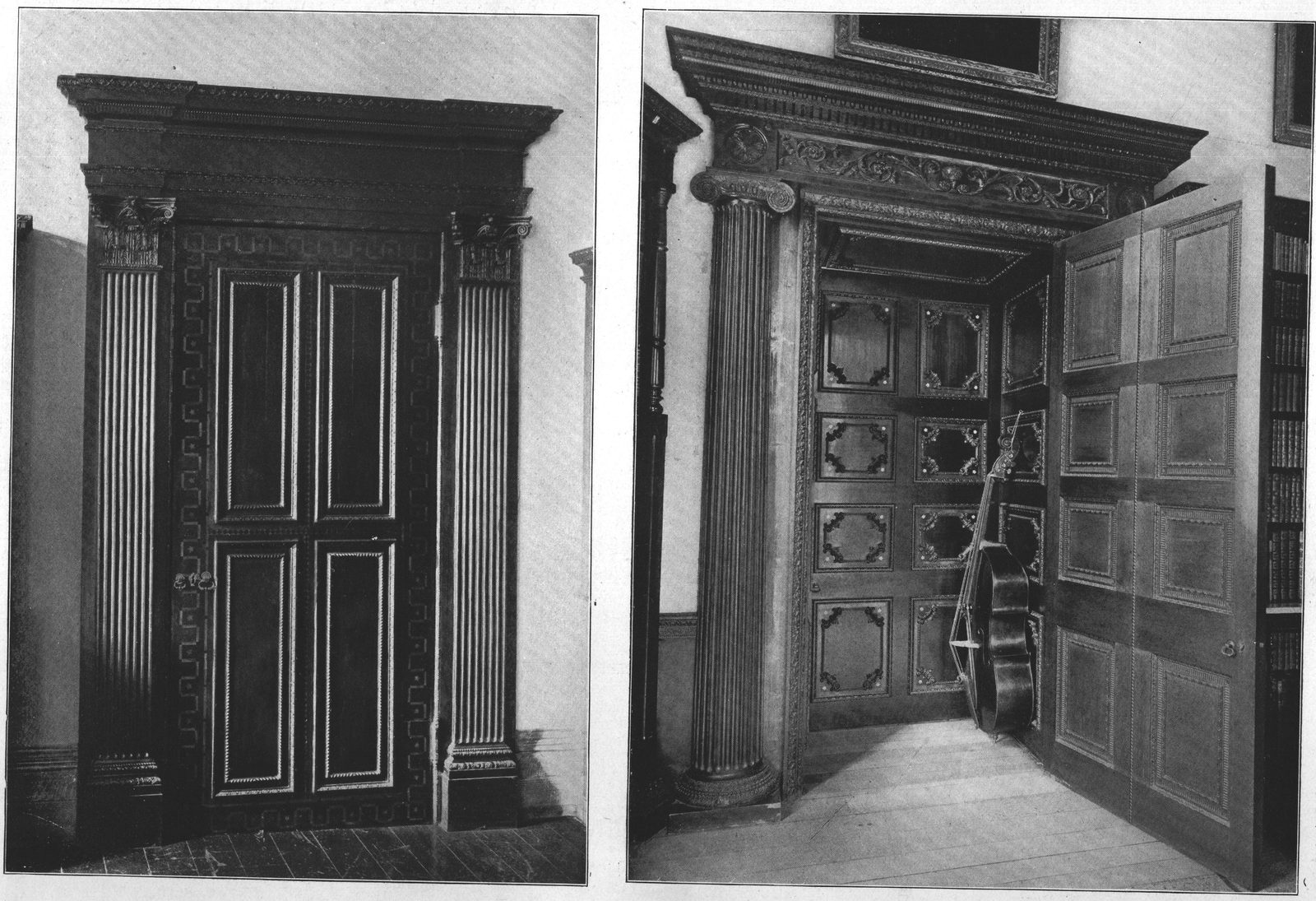
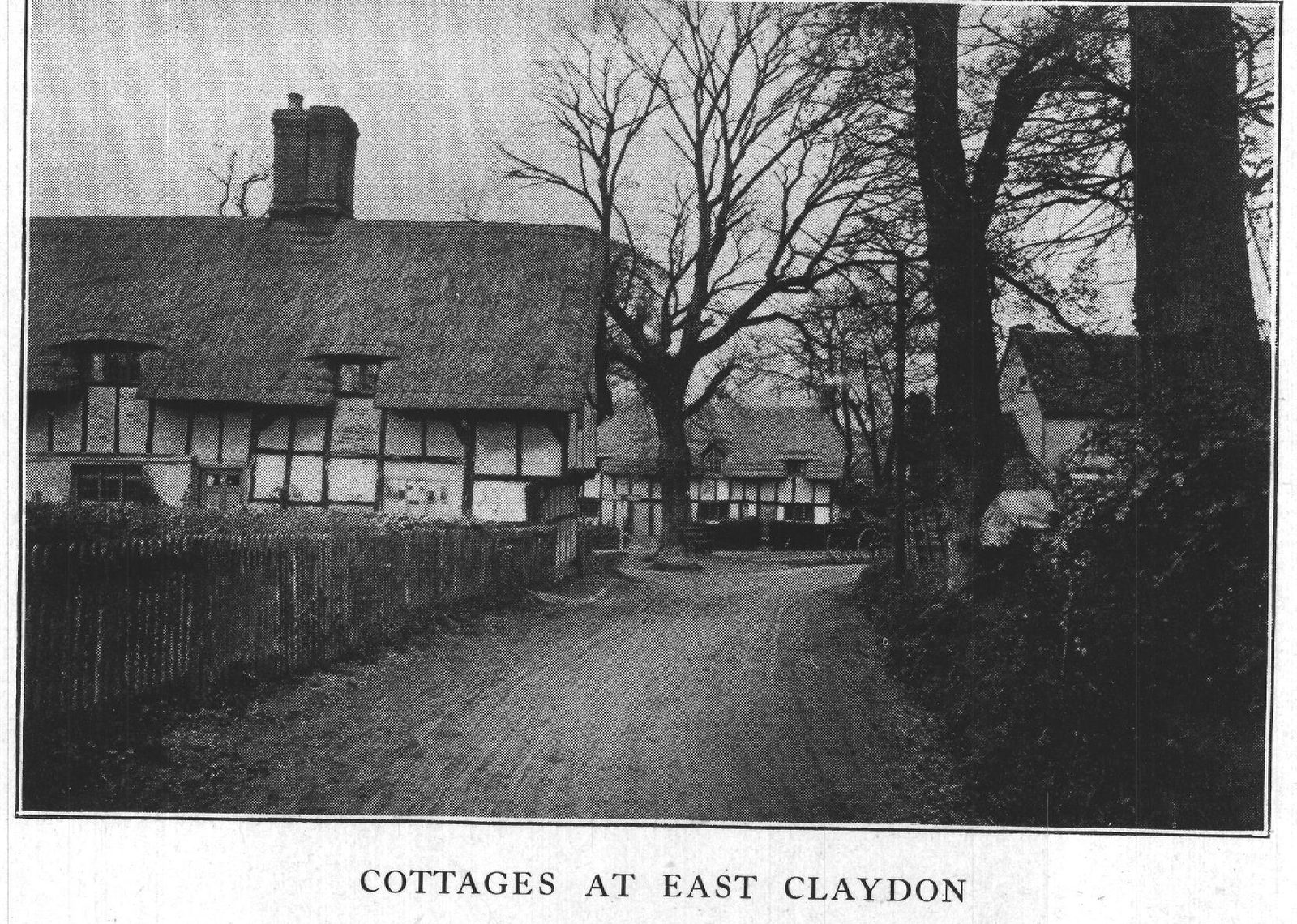
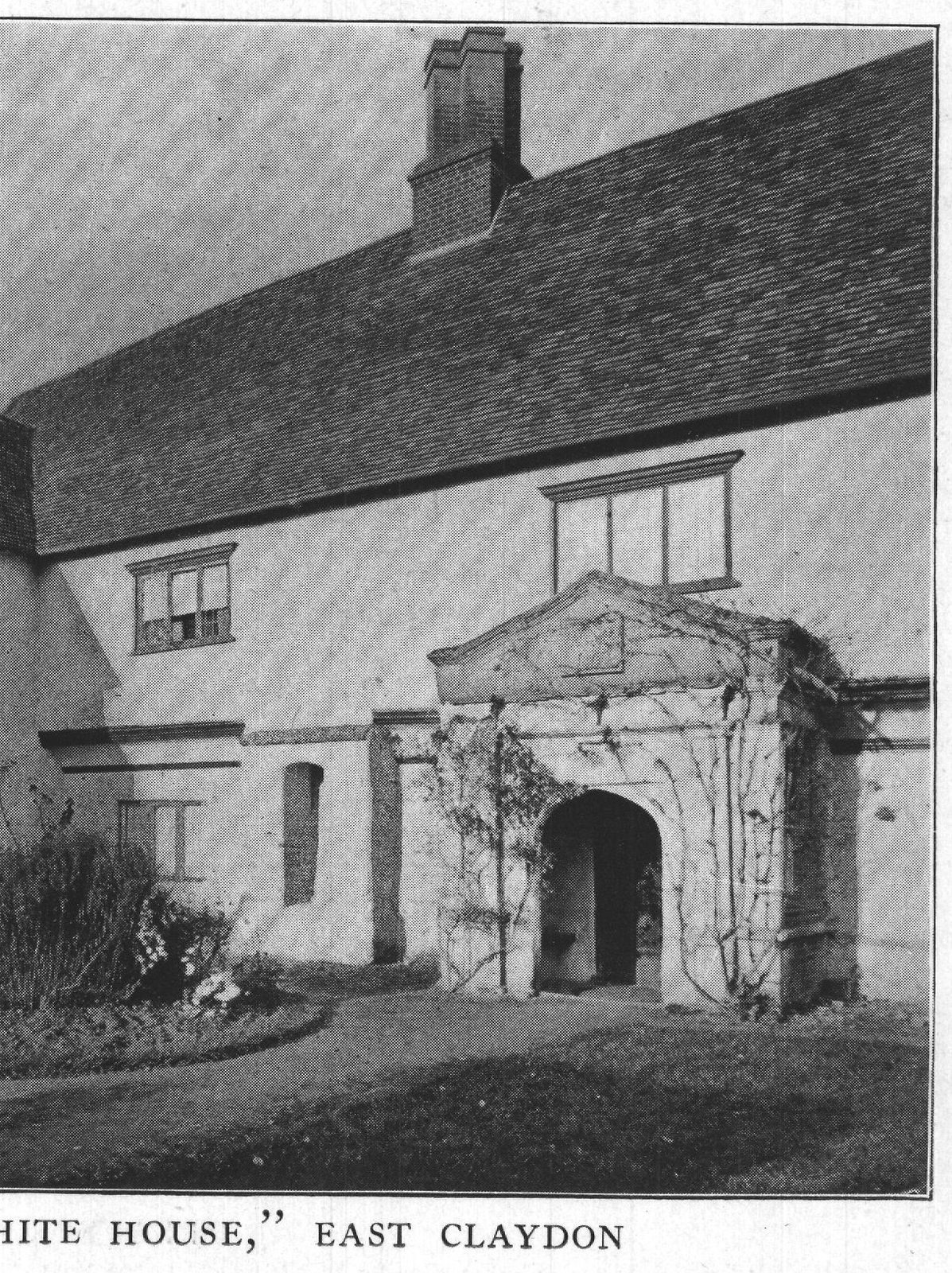
Both before and after these times of trouble, various sons of the family had found the home boundaries and interests too narrow for them. The roving spirit of Saxon and Viking forefathers moved men of the race then, as it does still on both sides of the Atlantic. Thus, Sir Francis, a fine figure of a man to look at, and brother of the Standard Bearer, selling out all his available estates, took to a life of piracy with the Moors of the Mediterranean, and, after two years of slavery at the oar in Sicilian galleys, died miserably at Messina. Sir Edmund's second son, Tom, whose visit to Hillesdon House ended so unpleasantly, was a very typical scapegrace. He, too, wanders unfruitfully abroad; now in Virginia, now in Barbadoes, now in Sweden; but ever and anon turning up with an empty purse and a complaining tongue. His younger brother, Edmund, a captain in the royalist forces in Ireland, was one of the slaughtered at Drogheda in 1649. A cousin, hapless Dick Hals, was a gentleman of the highway, who, after many breathless escapes, died, not without dignity, at the hands of the hangman. Whilst his eldest brother, "Mun," was living a quiet country life at the "White House" in East Claydon, a second son of Sir Ralph, John, also sought his fortunes abroad. When at last he comes home to marry and settle down, it is to succeed his father, Sir Ralph, who had outlived his eldest son, and who died at Claydon House in revered old age in 1696.
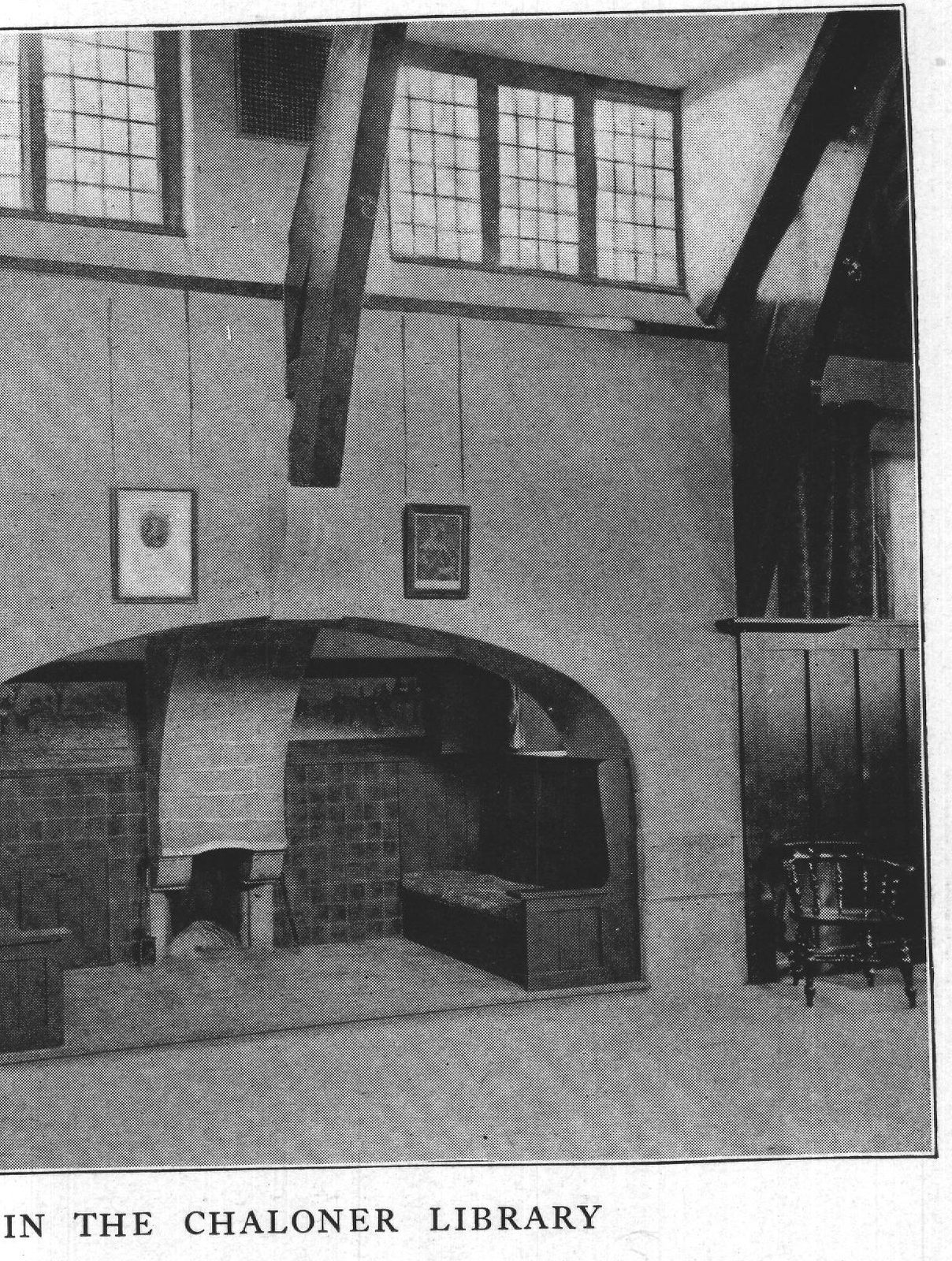
Sir Ralph had received a baronetcy after the Restoration, and in 1703 Sir John was made a peer as Baron Belturbet and Viscount Fermanagh. These were years of expansion. Lord Fermanagh bought Steeple Claydon of the Chaloners in 1705. Forty-five years before, Thomas Chaloner, who had been one of King Charles's judges, had fled the country at the Restoration to escape a barbarous death. He was a man of parts and capacity. His alum works at Guisbro', near Whitby, founded in 1600, were the first of the kind in England, and his descendants still carry on the industry there. The quaint old school was built and endowed by him in 1656, and is now incorporated in a thriving village institute and library, with a fine lecture hall, established by the present baronet, Sir Edmund Verney. Old and new are happily conjoined in the building, and thus the aim of the founder finds fruition three and a half centuries after his time.
In 1726 Lord Fermanagh purchased the property of East and Botolph Claydon, which had already been in the family for a time when his brother "Mun" married a daughter of the "White House," and had occupied it until his death. Within a stone's throw stands the church. The fine Norman and thirteenth century detail still to be seen in it, and the mounded lines of the enclosing moats near the manor-house point to the fact that both hold to their primitive sites.
In spite of Lord Fermanagh's new purchases, the old house at Middle Claydon still remained the family seat. In that all their memories centered. To it the sons of the house brought their new made brides.
Amongst its pleasant gardens played successive generations of the Verney children. Under its kindly rooftree gathered friends and kinsfolk, who never ceased to think of the Claydon hospitality as men think of the fire in winter. There, too, dependent relatives found a home full of affection, and void of any shadow of patronage. Such was Doll Leake, a poor cousin of Sir Ralph's, a good maid and a merry. There, too, fell on the family the solemnities of death, when the still form laid out on the great state bed with its black hangings, became the center of the household's thoughts. This funereal four-poster was a valued possession, and with friendly readiness was loaned round even to houses of some affluence, when visited by bereavement.
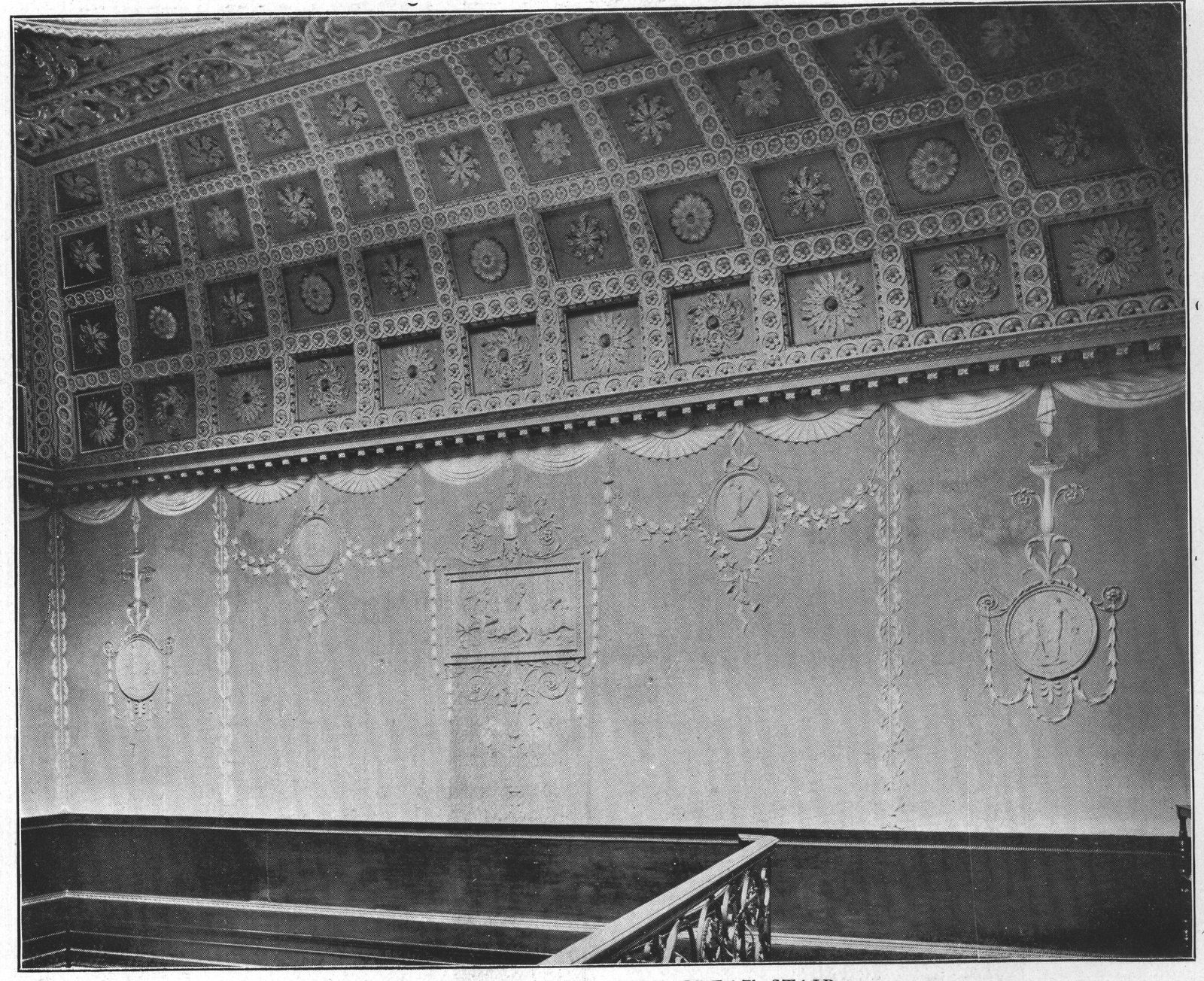
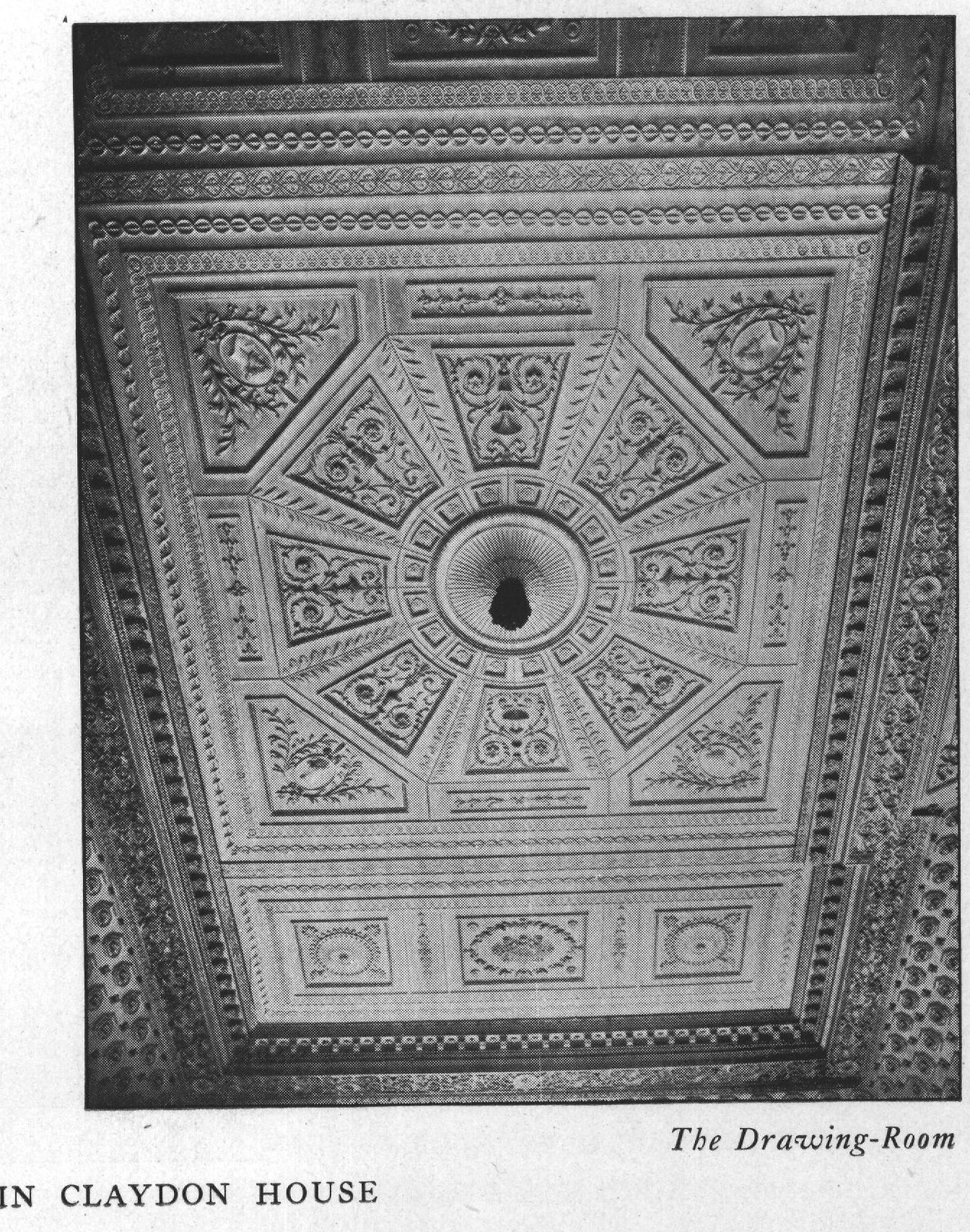
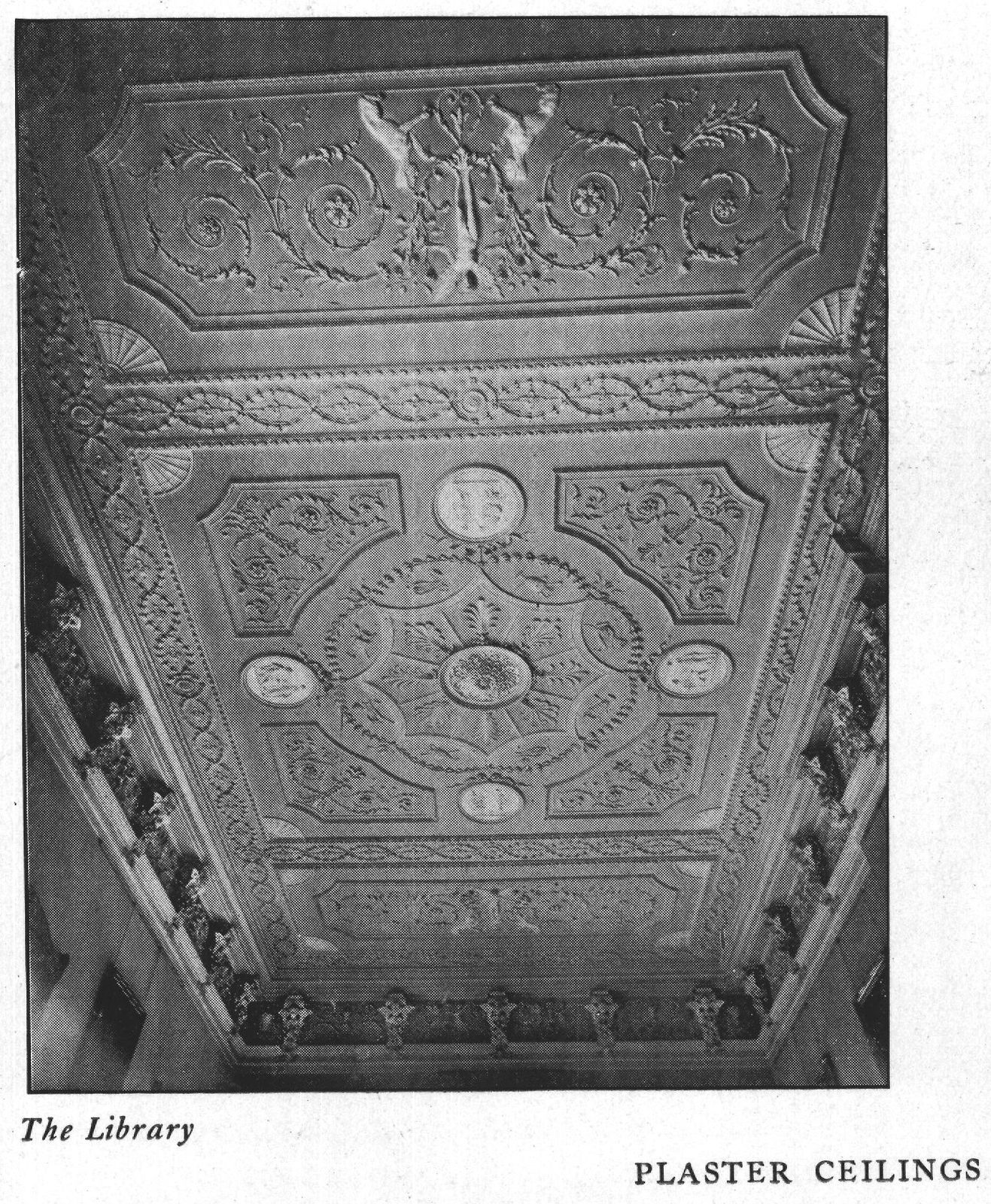
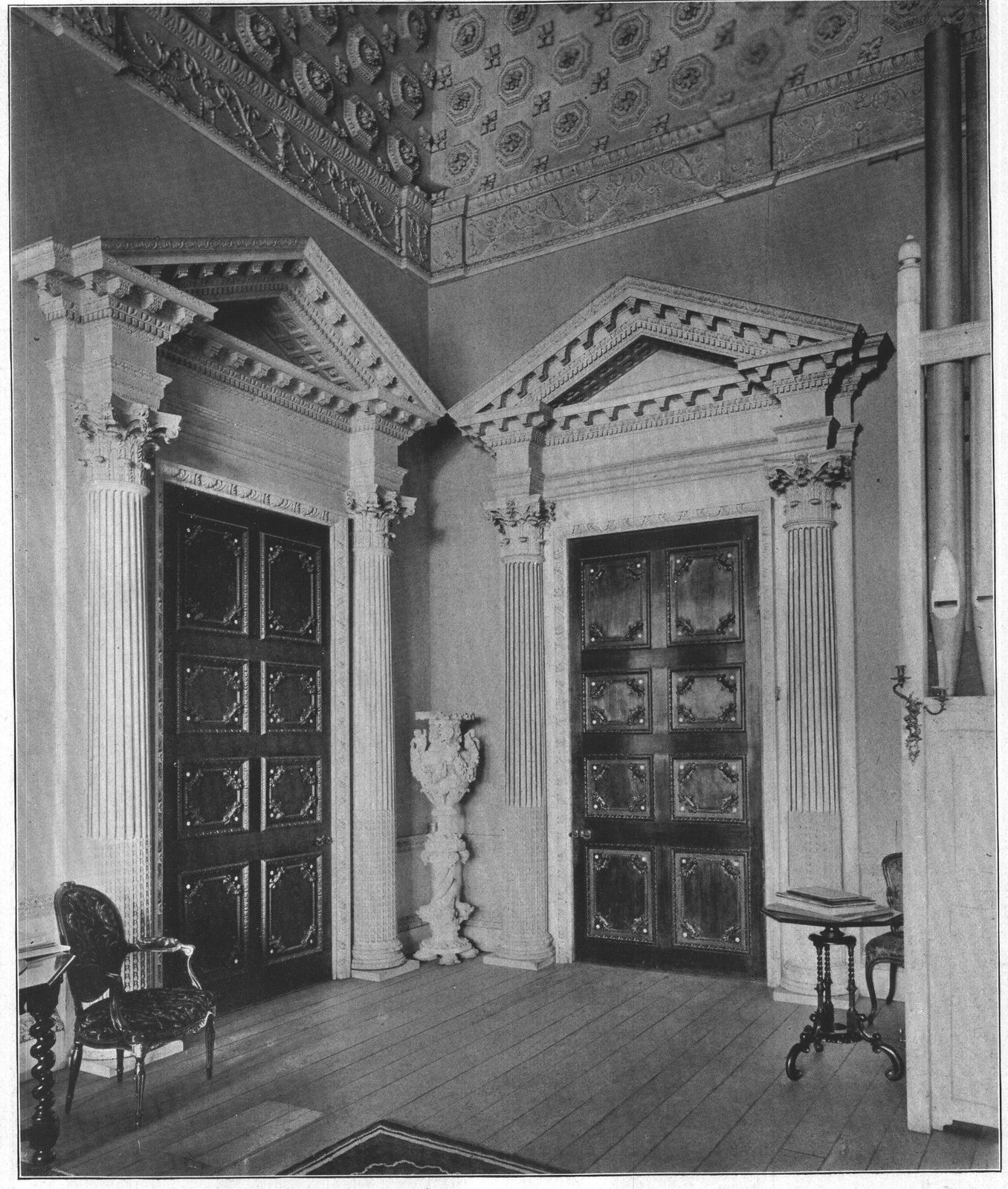
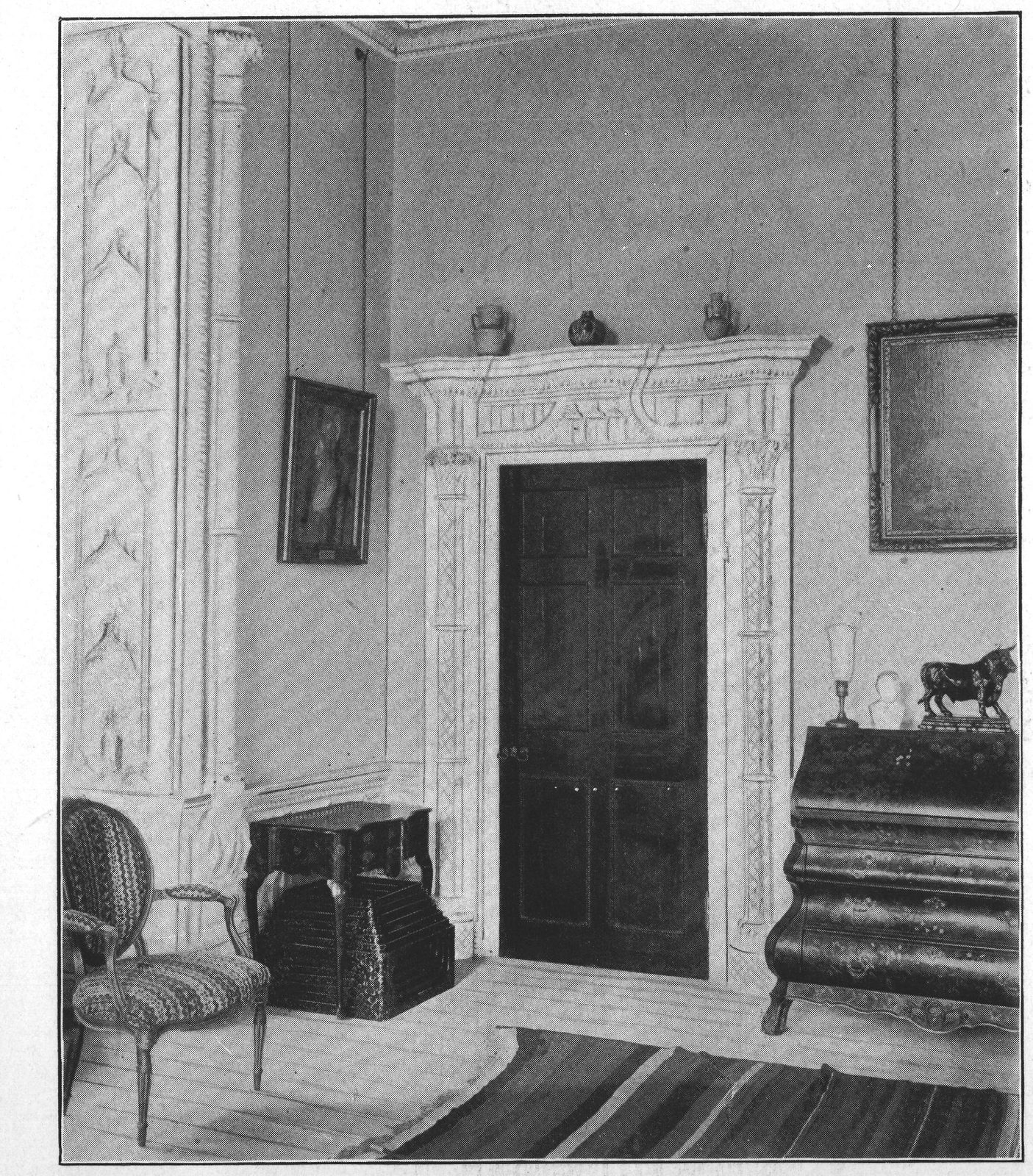
The time was now drawing on when the good old house was to be deposed for awhile from its wonted servitude. Lord Fermanagh had passed away. His son Ralph had taken a further step forward in the peerage, and had become Earl Verney. His son, the second Earl, a man of large ideas and extravagant life, had entered into possession. Then followed a series of dramatic transformations. The home of his fathers was no longer meet for the high estate of this childless man. About 1760 he called in the Brothers Adam to design and build for him a new house on a princely scale. The rural peace of Middle Claydon was invaded by an army of workmen, English and foreign. They set up their masons' sheds, and laid stone to stone, rearing a vast mansion of Anglo-Italian character, with the cold but stately frontages of the period. Therein was a great central hall with marble columns, and a ball-room, one hundred and twenty feet in length, with a succession of rooms of size on a like scale. Of these, saloon, library, and dining-hall still remain, each a sumptuous apartment fifty feet long by twenty-five feet broad, and twenty-five feet high. When the roof was in place there came troops of skilful joiners with great store of cedar, rich old Spanish mahogany, and ebony, satinwood and ivory for inlays. Under the musical ring of the smith's hammer was evolved a wrought-iron balustrade for the chief staircase, with involute scrolls of foliage and wheat sheaves, linked all into one by floral bosses and festoons. On high scaffolds Italian modelers shaped wondrous things in plaster on ceilings and walls; now in richly moulded ranges of deep panels, now in bold devices of high relief, and now in dainty medallions, after the manner of Wedgwood and Flaxman, united by looped and hanging draperies with pendent urns. Then came the stair-hands and marquetry-layers, who spread over the floors and landings of the great stair, and on every tread and rise of it, a wealth of most intricate inlay. At last came the sculptors to carve the mantels of Carrara marble.
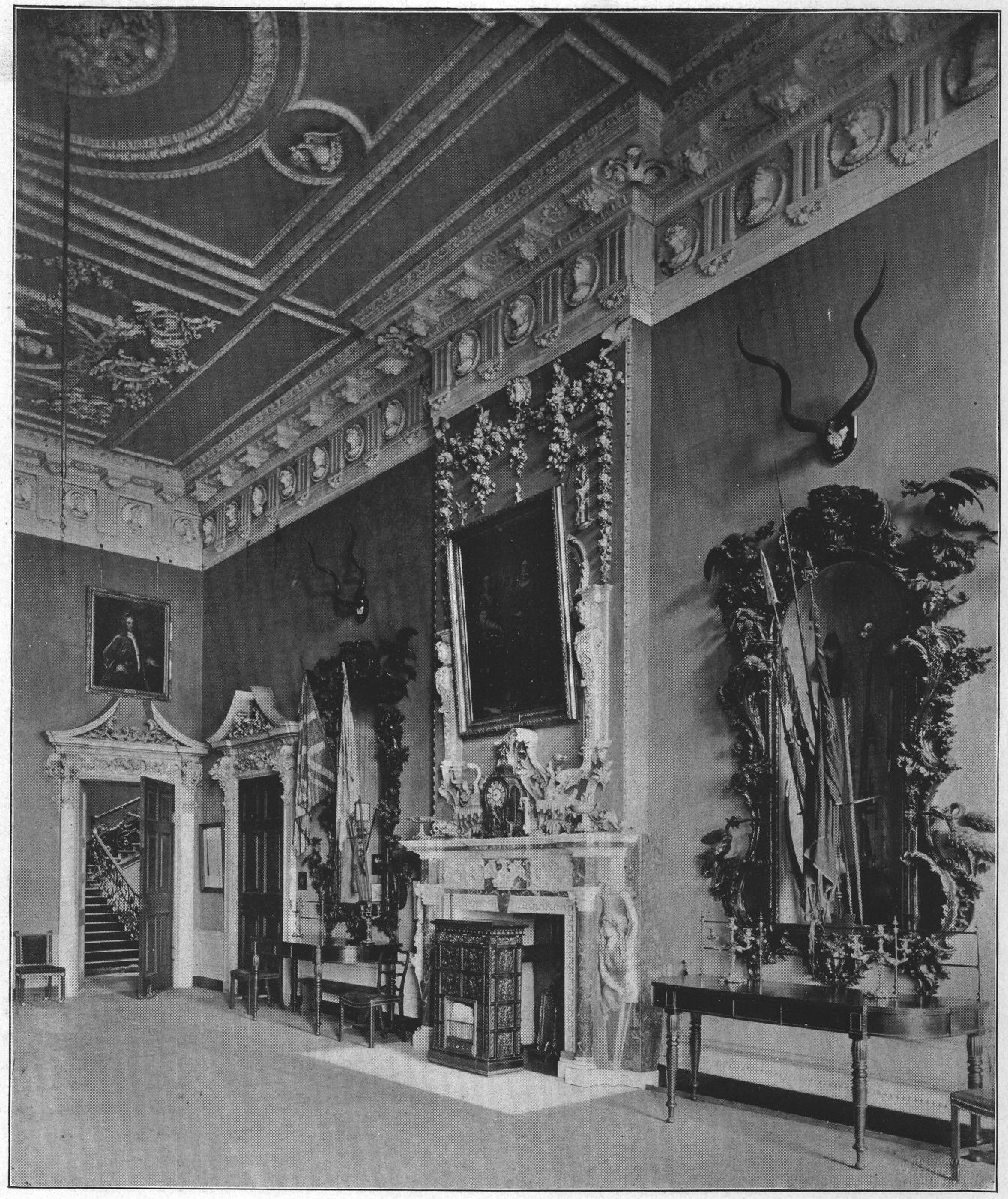
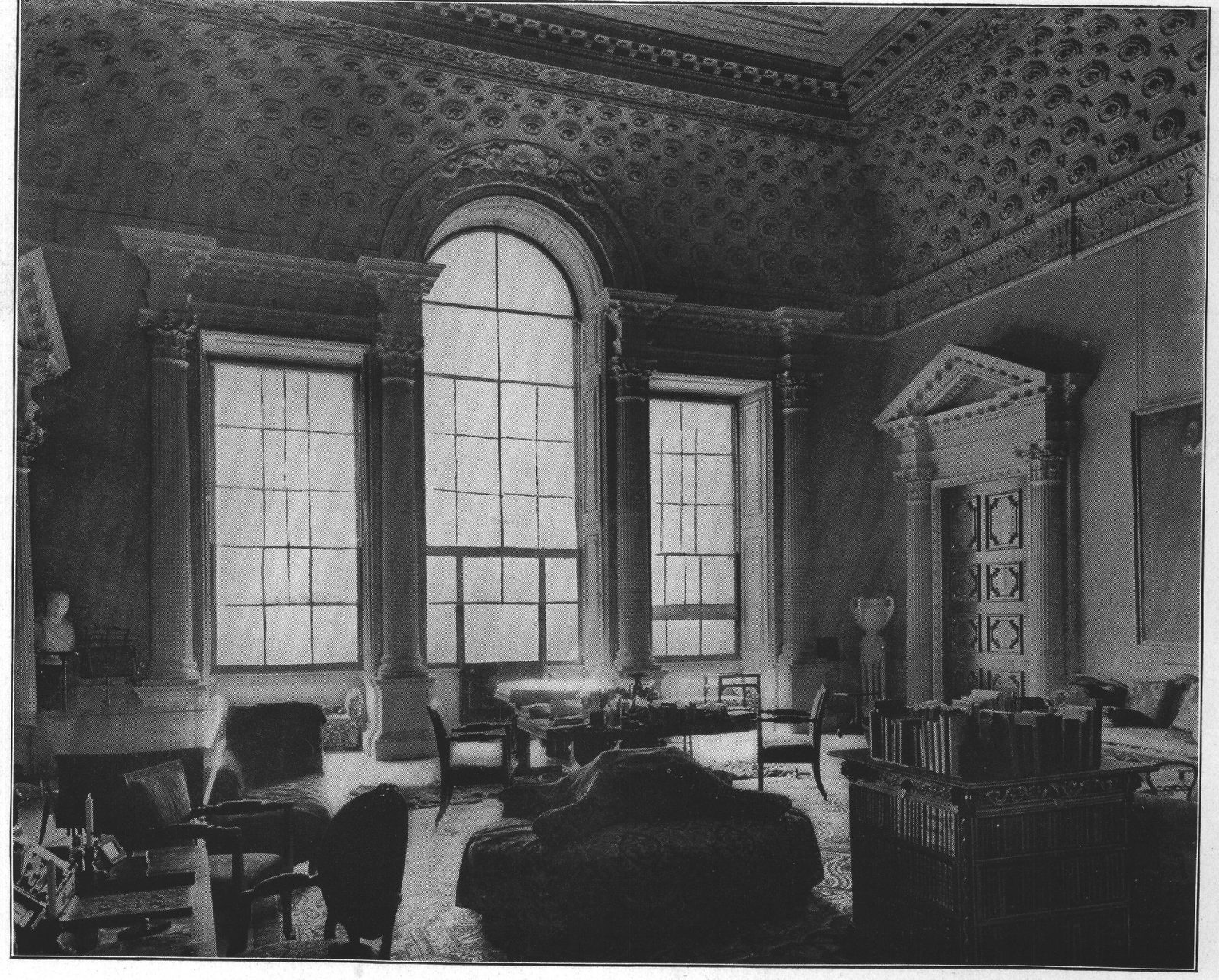
The enterprise was nearing completion. The old house with its manifold memories stood in the background, like a friend, proven and trusty, but now supplanted. Part of it came down to make room for the new palace, and part was allowed to remain as an appendage in the rear. We have learned something of its associations. Were the same kind of family affections to gather about the magnificence of the new house, in time to come, as had hallowed the simplicity of the old? What had Fate in store?
Fate soon answered, and with cruel irony. The earliest guests to enter, before the noise of hammer and chisel had fairly ceased, were a horde of angry creditors, eager to seize whatever they could lay hands on, and carrying off even a sculptured mantel that they found still unfixed. In the midst of the turmoil the Countess Verney died, and her funeral was the sole family pageant that ever issued from the new grand entrance. Her lord, Ralph, was forced to go into hiding to evade his creditors, and it is said that he only escaped arrest by leaving the house in the hearse which had borne his wife to her grave. A little later he crept back to the stripped and desolate house, where he lay a month in hiding, concealed by the loyalty of his dependents, who brought him food to eat and a bed to lie on. In after times old men remembered that, as children, they had seen his face at a window and had answered his beckoning finger when he called for service. In another month he lay dead in his house in Curzon Street. This was on March 31, 1791.
The stately new house, as he left it, stood for a few years in empty splendor, nor was it to know any other associations than those of ruin and death. It was never inhabited, and the niece of its builder, who was created Baroness Fermanagh in her own right, caused two-thirds of it to be pulled down, leaving only the end block as it now is, to convey some idea of its original greatness. The Baroness shunned the place shadowed by so much misfortune and lived in London, where in 1810 she died.
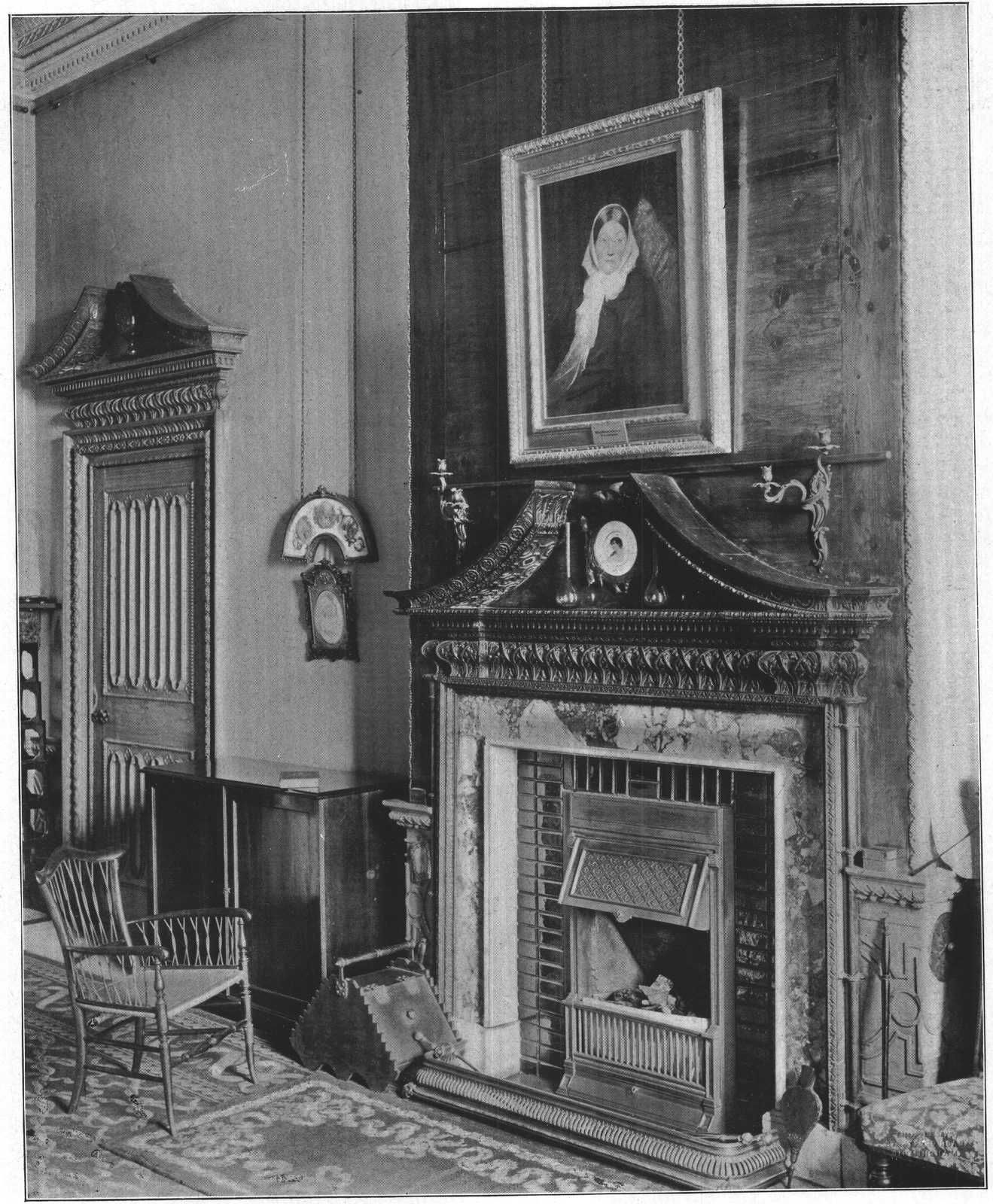
The Baroness Fermanagh left the property to Sir Harry Calvert, who took the old family name, and was better known as Sir Harry Verney. When he entered into possession both the remnant of the ancient house and the fine fragment of the later, were knit together, and became once more a home. New memories of the happy olden kind again gathered about it. Amongst these occurs the name of Florence Nightingale, a sister of the late Lady Verney, and a frequent visitor to the house. Her portrait hangs over the mantelpiece of the room she has often occupied, and suggests once more the wideness of the range of English experience. Peaceful Claydon, and the hospital beds of Scutari! Historical musings, how easily they respond to a touch or a name. And who could help musing in Claydon House, where the old portraits and heirlooms are cared for so reverently, and which has now again become a worthy embodiment of the spirit of the ancient race whose seat it was!