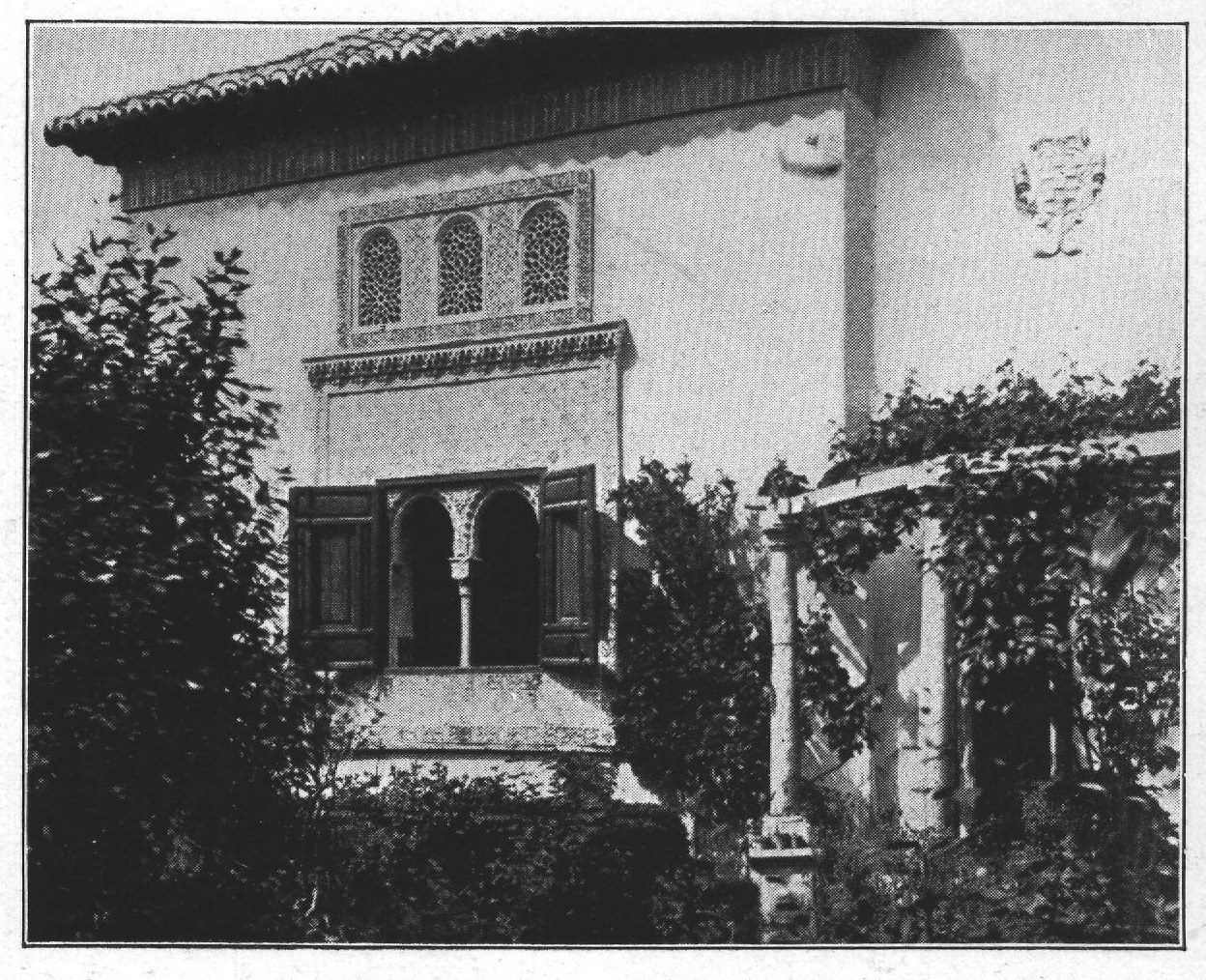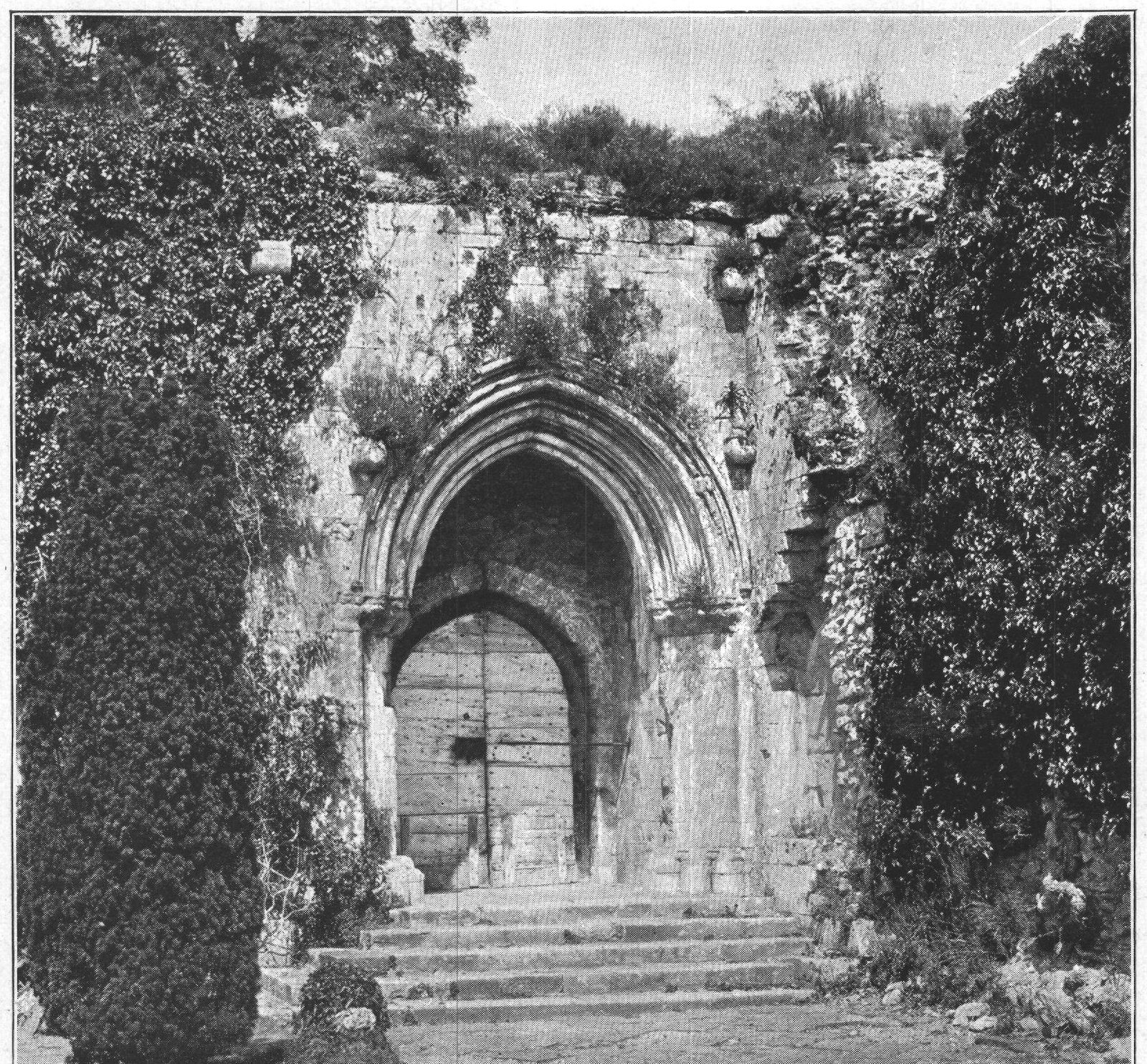
No more beautiful spot can be selected to visit than the ruins of Beaulieu Abbey, situated on the borders of the New Forest, near the source of the Exe, which is here generally called the Beaulieu River. The name of this lovely spot—Beau Lieu—(which has been corrupted in its pronunciation to Bewley, though still spelt as in former ages) speaks for itself, and shows that the old monks had not only a full appreciation of the beauties of Nature, but were also not unmindful of Nature's bounty, for the river near its source above Beaulieu supplied them with most excellent trout, while below Beaulieu—owing to the tide from the Solent—they were also able to secure all kinds of sea fish.
The course of the river to Lepe, where it connects with the sea, is most lovely, and it is a lovely expedition if one will take a boat for a row or a sail and run with the tide down the river to Lepe, winding twenty-five times in a distance of seven miles by the side of lovely wooded banks, each turn revealing fresh beauties. Besides the advantage the river gave the monks, they had others arising from their proximity to the New Forest, abounding as it did in those days in every kind of game, which the good monks had the privilege of hunting. They also owed much to the mildness of the climate, so mild that besides being able to cultivate all kinds of ordinary fruits, vegetables and herbs, they had excellent vineyards which produced great quantities of grapes, and out of them they made a wine which won a world-wide reputation and brought a great revenue to the Abbey. Their home-brewed beer, produced from the hops they cultivated, also gained great renown, while for their own use they made cider and perry. Truly, had it not been for what they had so often to go through during the various civil wars and troubles of the kingdom, the lot of the Beaulieu monks in their beautiful secluded Abbey was one to be envied. But a short description of the buildings, as they were then and as they are now, may interest my readers.
Strange to say they owe their origin to one of the most graceless kings of England, John, who in 1204 began to erect this spacious Abbey. This is the only act of the kind his name is associated with, and if the story is true as told by early writers, it was not wrung from him without pain. We read in the Abbey records that he had a fierce quarrel with the Cistercian monks who were established in another part of England, and had vowed to inflict upon them merciless punishment. He ordered them to go to Lincoln, there to be trodden to death under the feet of wild horses. But on the night of the day that he gave this inhuman order he had a dreadful dream, in which he saw himself accused of shameless cruelty, brought before judges, tried, and found guilty, and sentenced to receive from the hands of the very priests he had plotted against a most severe scourging, and truly, when he awoke in the morning, he was covered with the marks of the lashes. So he determined to make amends for the evil he had meditated, and forgiving the Cistercians, founded the Abbey, placing in it thirty monks from Citeaux with Abbot Hugh at their head. He gave them liberal charters, extensive lands in Berkshire and Hampshire and extraordinary privileges with respect to the New Forest. He also sent a large supply of corn as a gift, and a hundred and twenty cows and twelve bulls from the Royal dairy. A grant of money was made from the Treasury, and all Cistercian Abbots in England were commanded to assist Abbot Hugh and his successors. In 1206, the King ordered that a tun of wine should be delivered yearly to the Abbot of Beaulieu. His mother, Queen Eleanour, was buried here.
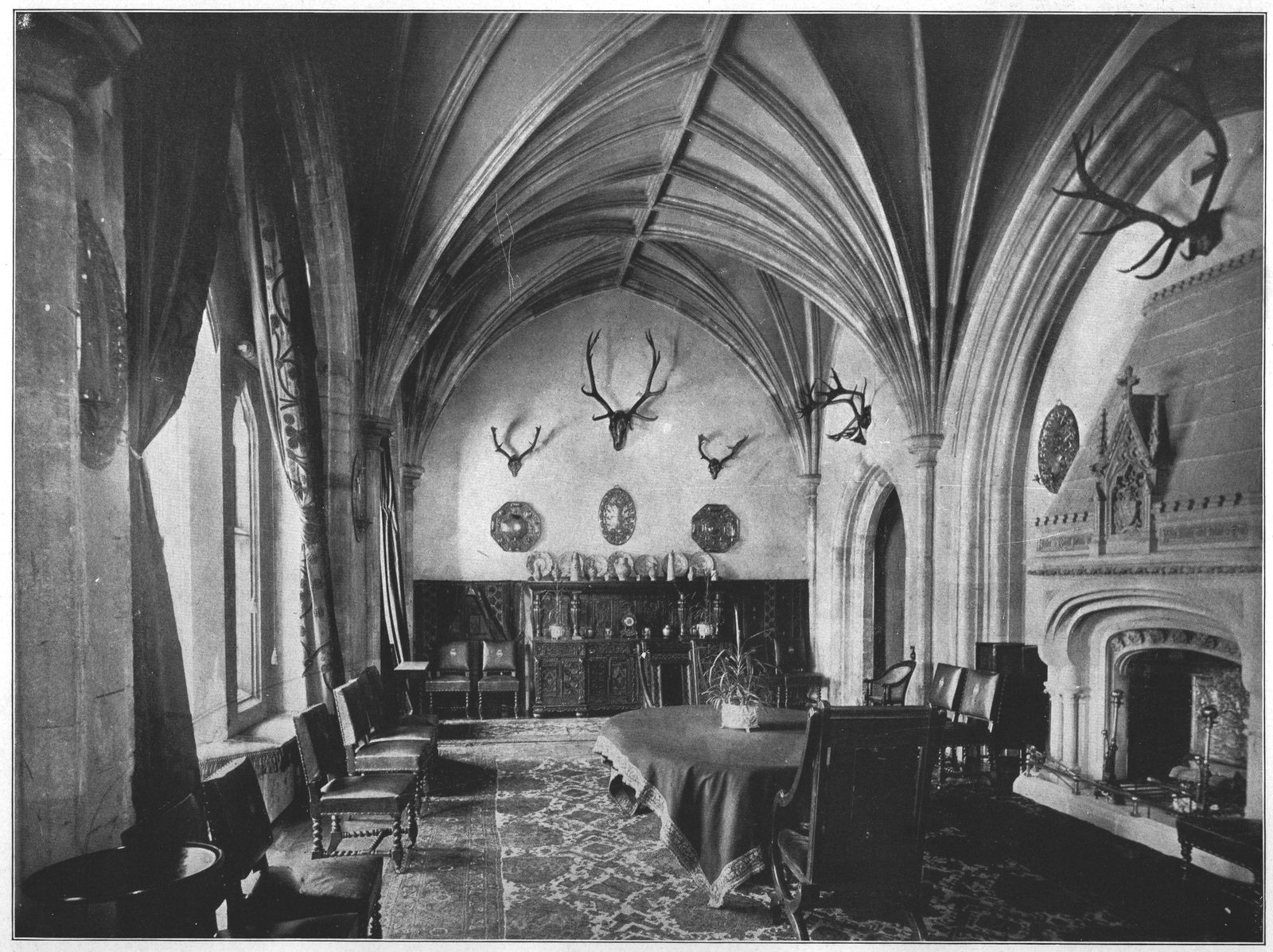
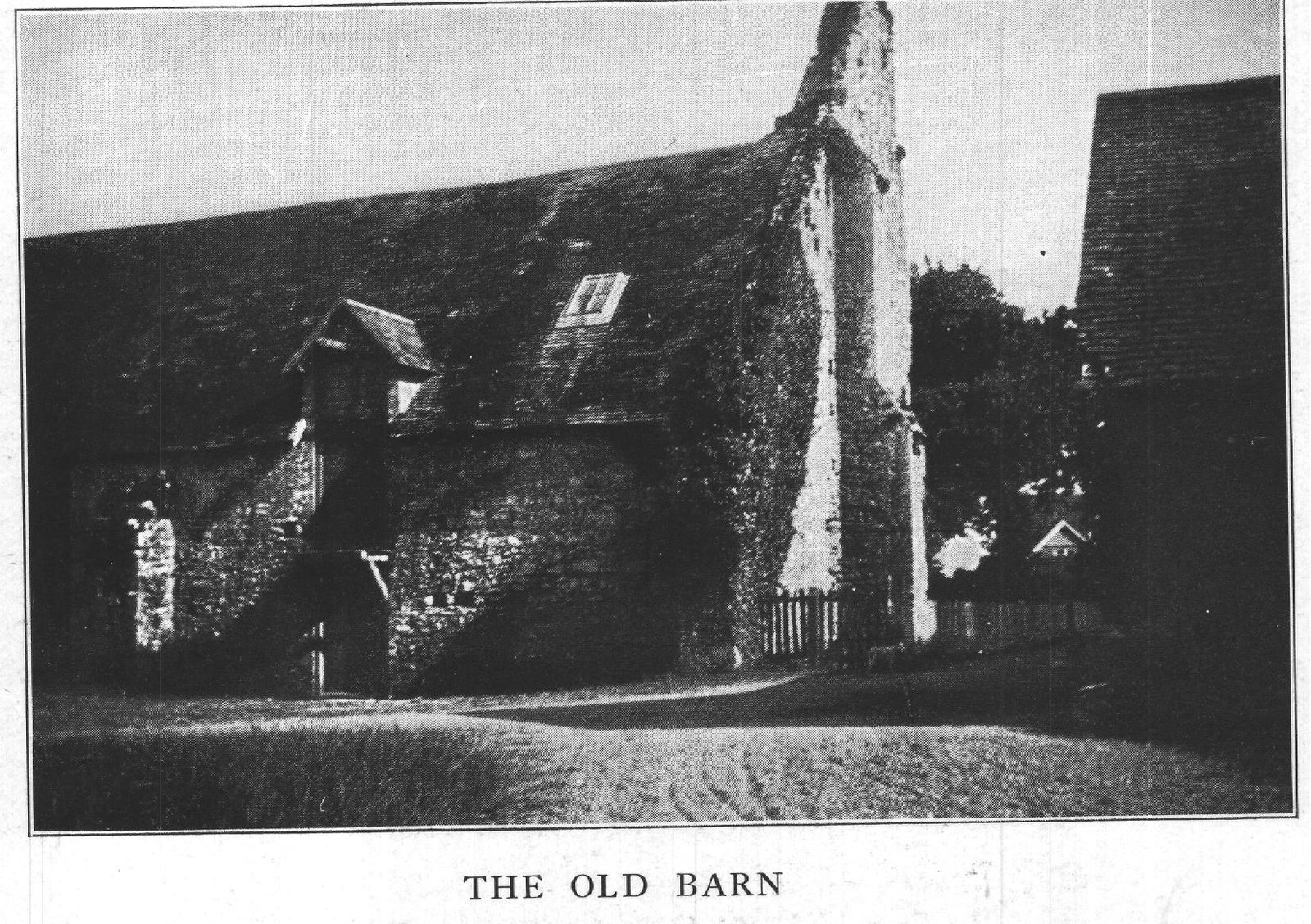
The buildings, which were begun on a small scale, gradually increased in size to accommodate the large number of brothers who wished to reside there. But John died before it was completed, as the solemn service of consecration only took place on the 24th of June, 1244, in the presence of Henry III., his Queen, and a brilliant retinue. Pope Innocent III. granted it the privilege of "sanctuary," which in 1471 was taken advantage of by Margaret of Anjou and her son Prince Edward, who on landing at Beaulieu heard the news of the defeat of their adherents at Barnet. In 1496, the Yorkist pretender, Perkin Warbeck, in turn took refuge at Beaulieu after his defeat at Taunton, but Lord D'Aubigny immediately invested the Abbey with three hundred horse, and compelled him to surrender.
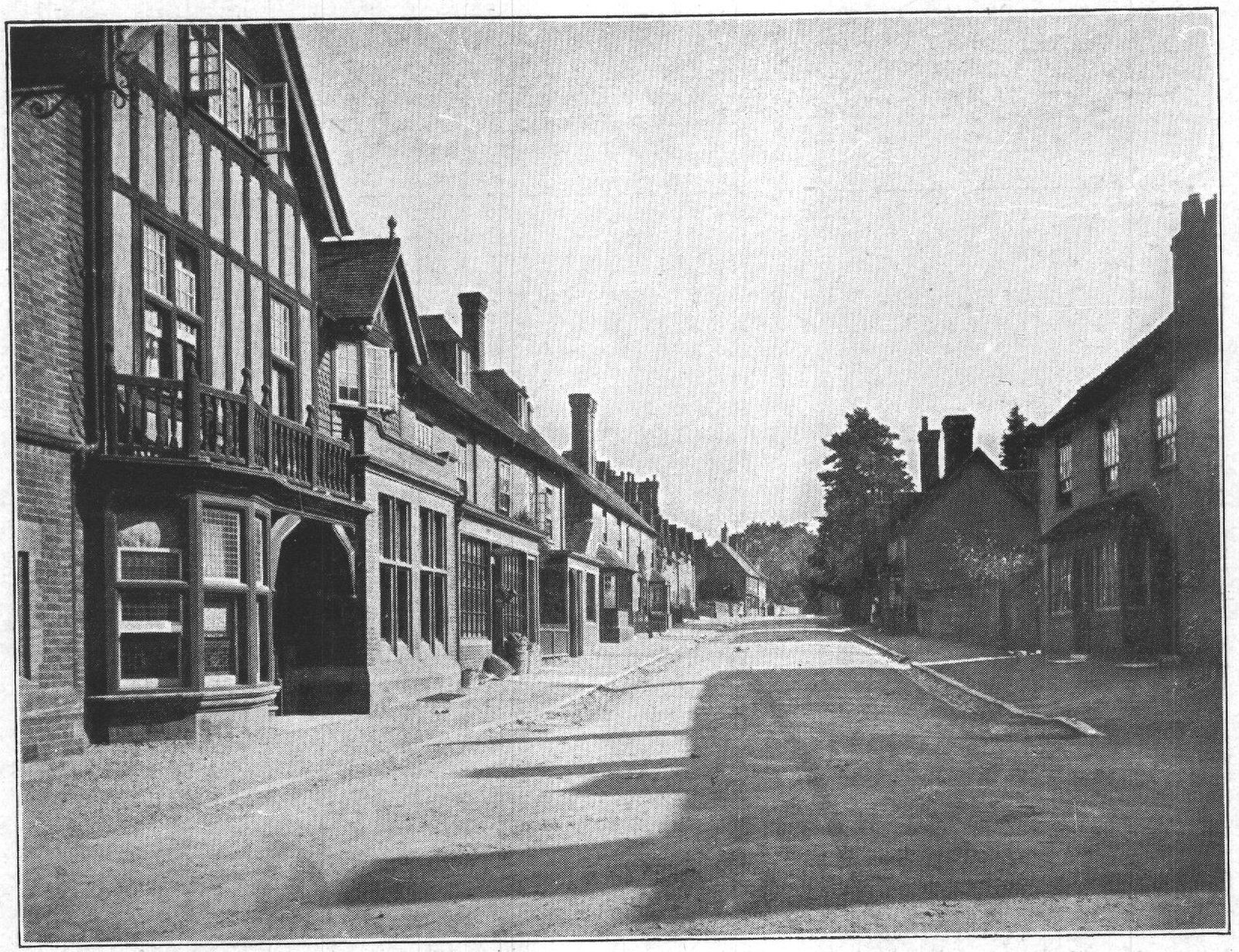
After many vicissitudes the glorious Abbey was, at the dissolution of the monasteries, doomed to destruction, and some of the material was afterward used to build Hurst Castle in the Solent, and the lead from the roofing was sent to finish Calshot Castle, both fine coast defences built by Henry VIII.
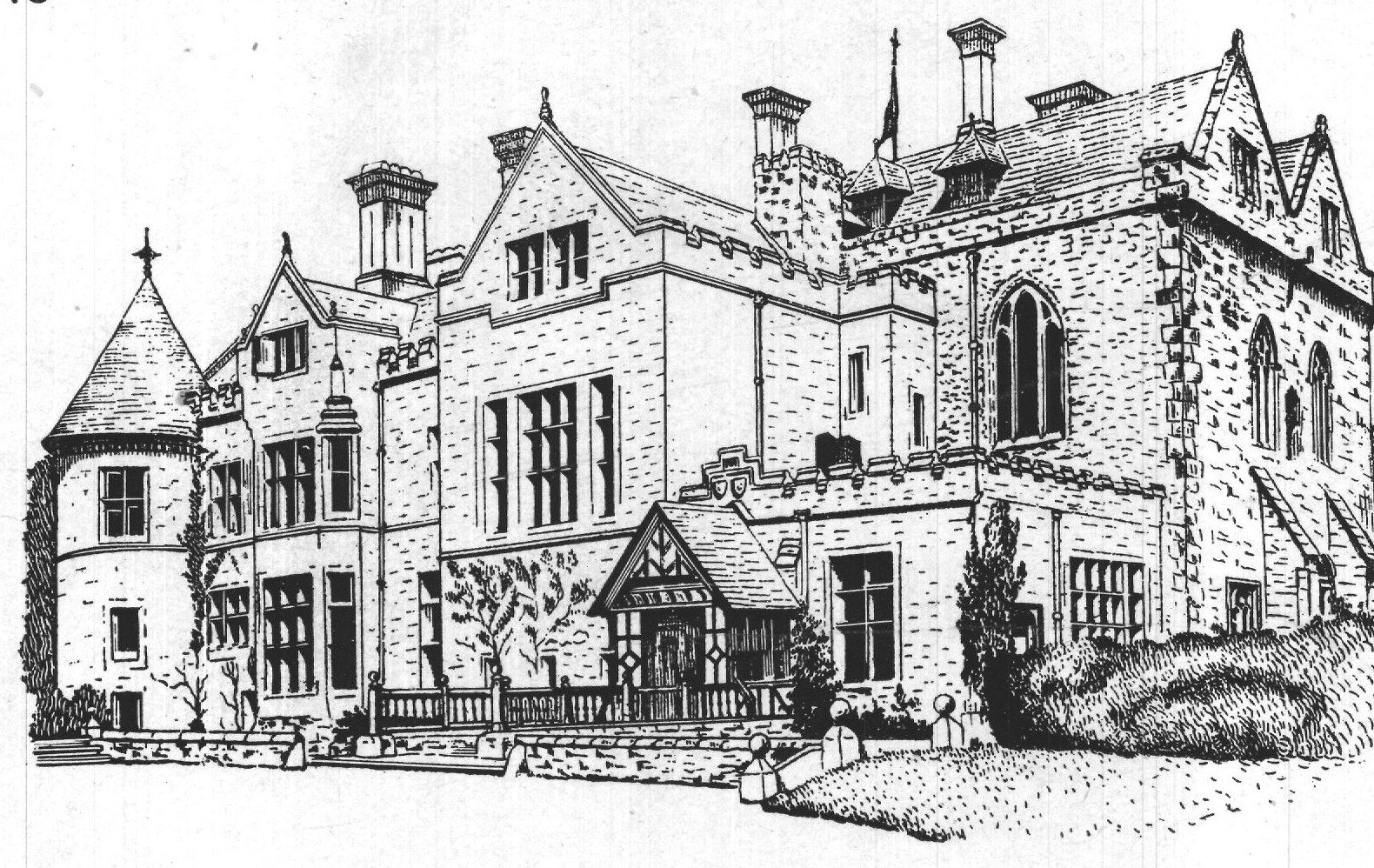
The Abbey of Beaulieu was granted to Sir Thomas Wriothesley, Lord High Chancellor of England, afterwards created Earl of Southampton, for the consideration of the sum of £2,000. Whether the first Earl of Southampton converted the gate-house into a residence is not known for certain, but at any rate it was known as Palace House early in the seventeenth century. The present beautiful residence, belonging to Lord Montagu, was built by his father the late Duke of Buccleuch, some thirty years ago and still bears the name of Palace House. It is said that Charles I. spent his honeymoon with his Queen, Henrietta Maria, at Beaulieu. After the dissolution of the monasteries the monks of Beaulieu received pensions suitable to their rank and age and departed never to return. But notwithstanding the ruthless destruction enough still remains of the ruins of the Abbey to gladden the eyes and interest the minds of many who from these fragments and with the aid of a description of the Abbey in its glory, are able to put together in their mind's eye the whole of the glorious fabric, and as they do so they cannot fail to lament the malice of men who, under cover of religion, demolished one of the most beautiful buildings erected by other men to the glory of religion.
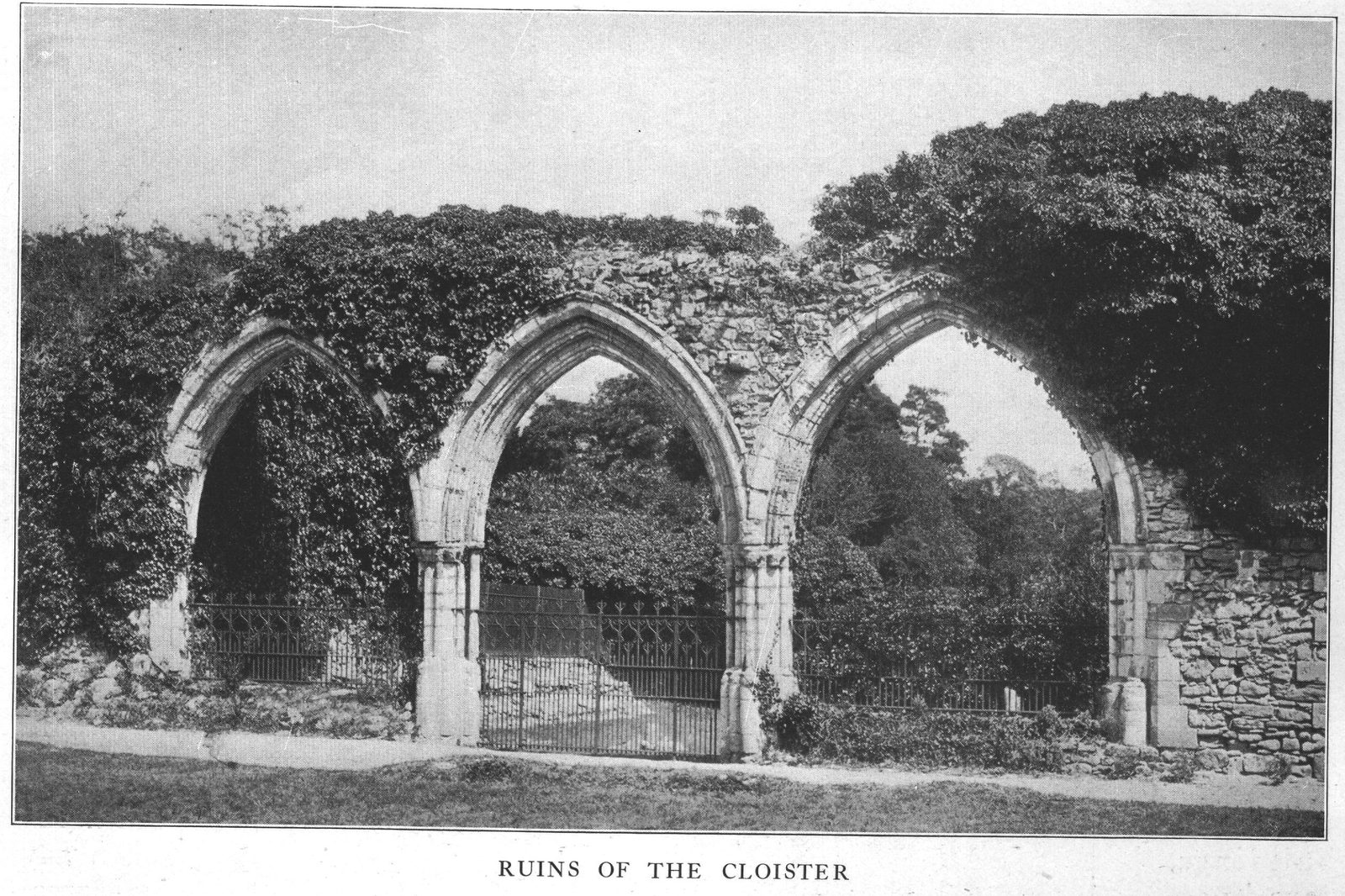
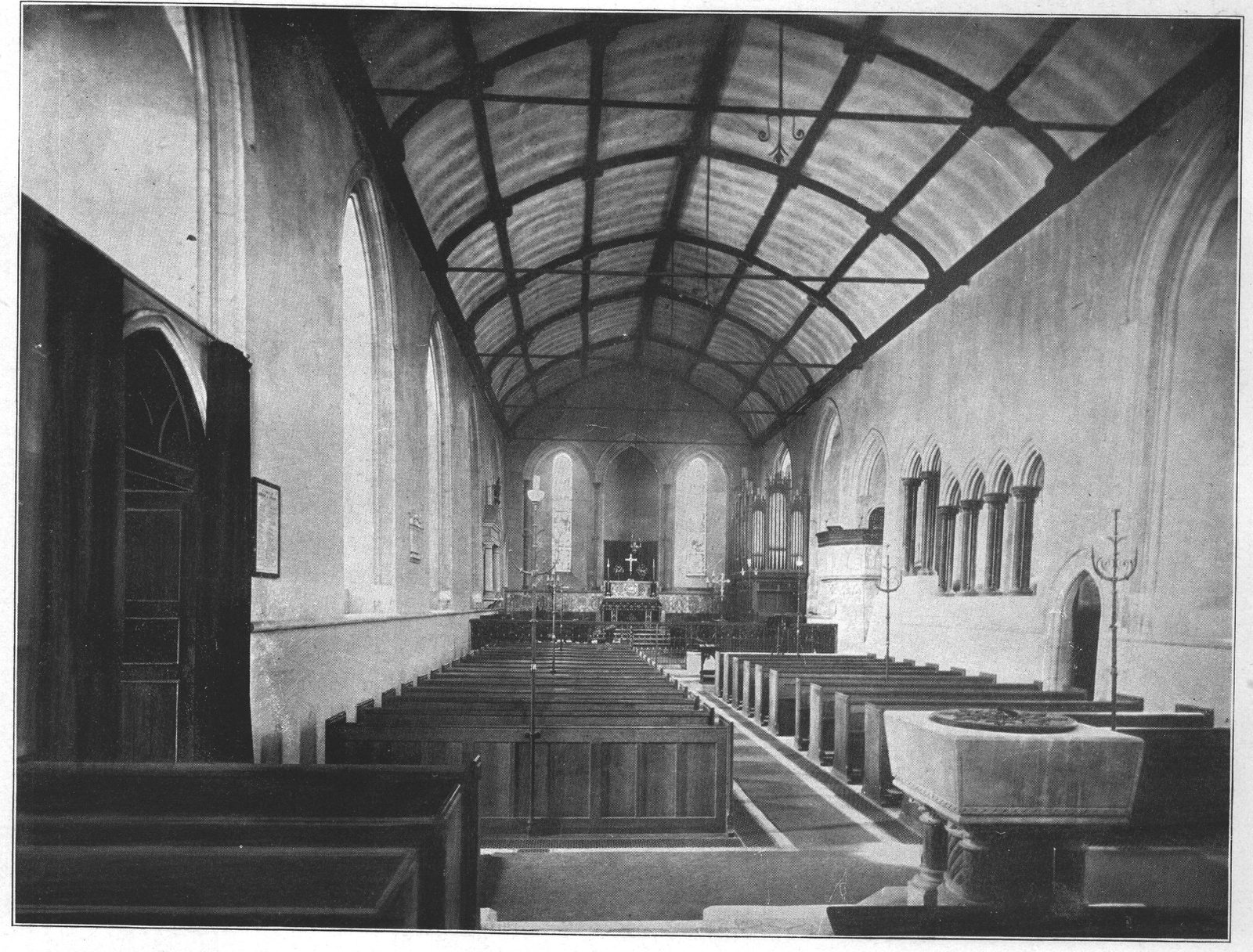
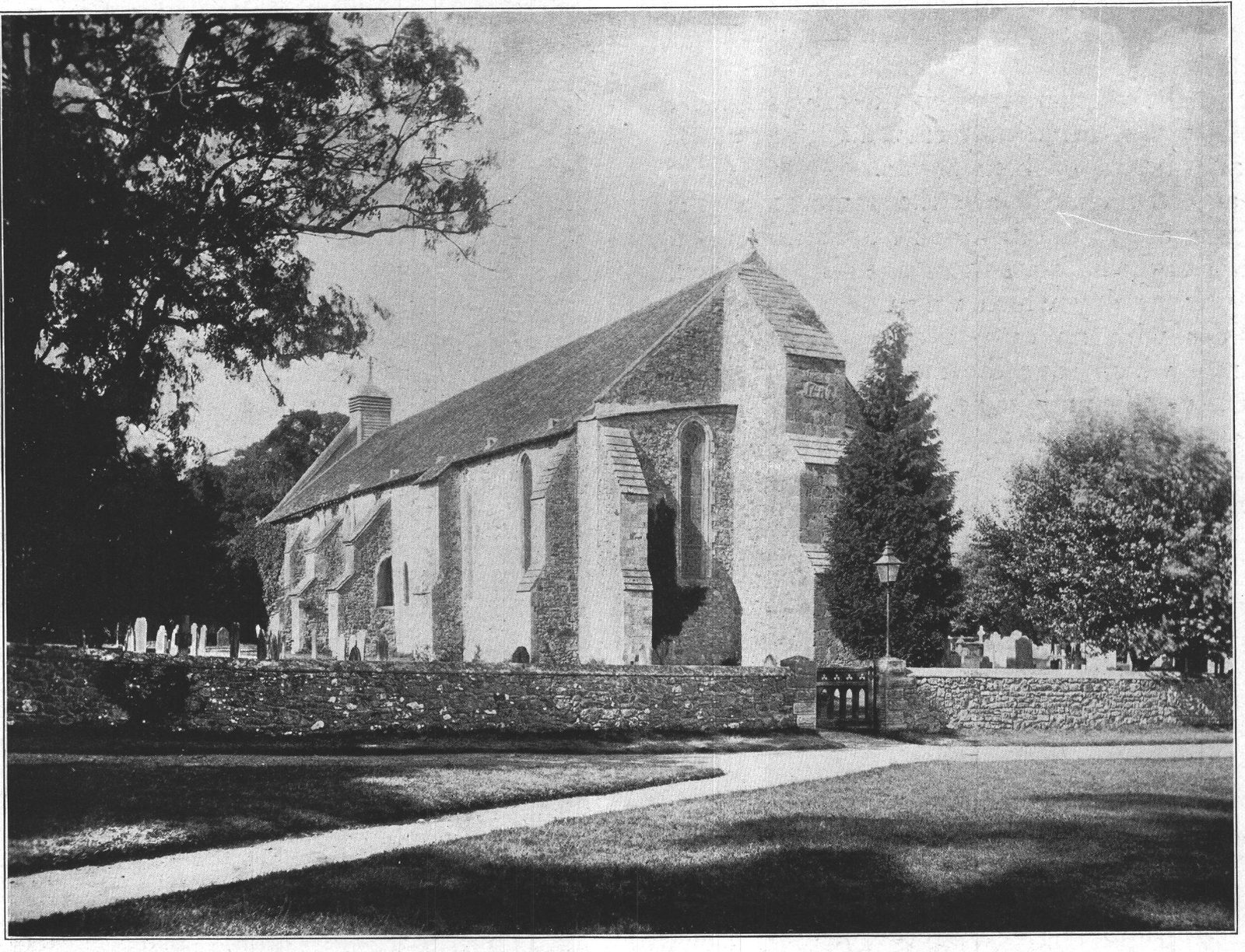
The space enclosed within the Abbey grounds is of large extent; the church, which must have been one of the largest in England, has all been accurately traced and marked out by the present owner, while in some parts the old tiled flooring has been uncovered and can still be seen. The refectory is the best preserved portion of the Abbey. It was converted into the Beaulieu Parish Church after the Dissolution and has been used as such ever since. Hardly any alteration has ever been made in it and the sermon is still preached from the splendid old stone pulpit reached by a passage and steps cut in the wall, and which was, when used by the monks, the place where one of the brothers read to the others during meals. The roof is beautifully carved with armorial bearings and heads of benefactors. Between the refectory and the church are the remains of the cloisters and many of the fine arches are still perfect. In the center of the cloisters there was always a lawn as in the present day which was walled round on all four sides with an open arcade covered with a lean-to roof which gave the monks shelter, however bad the weather might be, for their daily walk in the cloister garth.
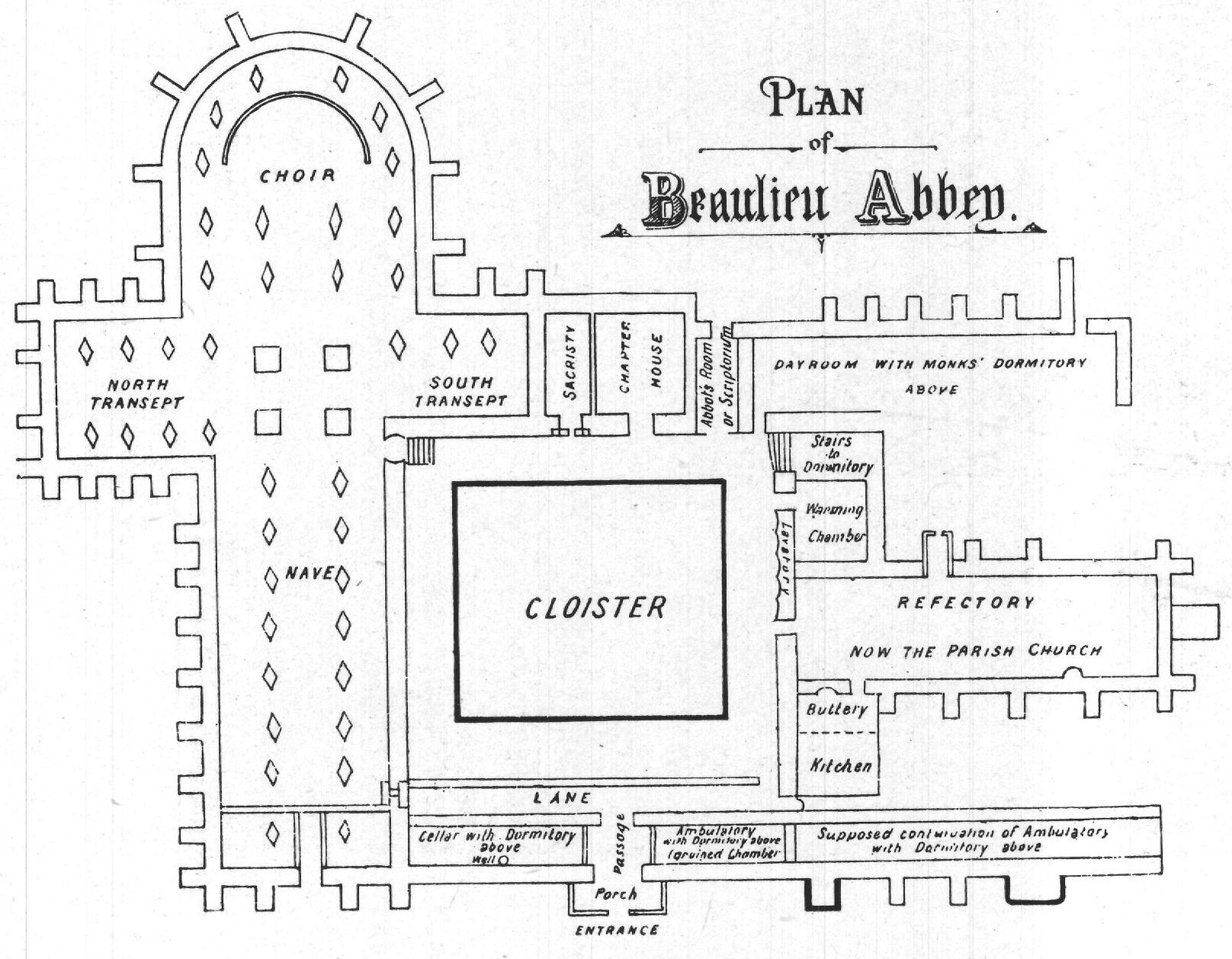
There was an entrance to the church for the monks through a beautifully carved doorway which still exists, as does also the old wooden door. Three handsome arches of the chapter-house still remain. The rest of the spacious buildings consisted of the dormitories, the roof of which is of Spanish chestnut, and consequently in a fine state of preservation, as that wood never harbors flies or any other insects, nor do spiders weave their webs nor birds build nests in it. Then there was the Abbot's room and the guest house, for in those days all monasteries had to be ready to receive belated travelers at any time of the day or night. Then, too, there were the granaries which were on a large scale, and the brew-house, for all the wants of the Abbey had to be supplied by itself. Yet even these did not suffice, for lower down the river at St. Leonard's they had an extra storehouse and barn and also a small church under the care of five or six brothers.
Many of the rights of the Abbey, such as freedom from tolls, the rights of common throughout the year in the New Forest, and other advantages which had been granted to the monks were confirmed and conferred on the Earls of Southampton and their successors.
I may add that no one will regret spending some days in this lovely spot, and a charming, quiet inn in the village will provide all that is needed. The drives all round are beautiful, and no one could fail to enjoy a few days spent in "Bello Loco Regis," or the King's Beaulieu.